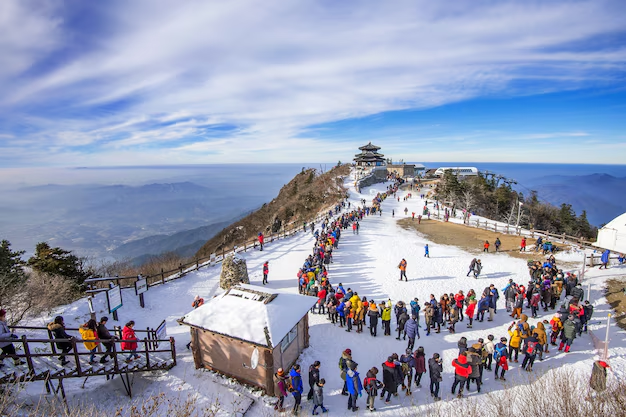
Why You Must Explore the Snowy Beauty of Kashmir This Winter
The Big Picture: Why Everyone’s Talking About Kashmir Right Now
You’ve probably seen those stunning Instagram posts of snow-covered mountains and frozen lakes that make you go “wow, is that real?” Well, it’s time to talk about why Kashmir is having its moment as India’s premier winter destination, and why you should seriously consider packing your bags.
Here’s what’s happening: Kashmir welcomed nearly 3 million tourists in 2024 alone breaking all previous records. That’s a lot of people discovering what locals have known for centuries. The snowfall in popular spots like Gulmarg, Sonamarg, and Doodhpathri has dramatically boosted winter tourism, with hotels and houseboats nearly full throughout the season. But this isn’t just a random spike; it reflects a genuine shift in how Indians travel and what they’re looking for in their winter vacations.
The Snow Dependency Problem: The Elephant in the Valley
Here’s where things get interesting and a bit uncertain. Your winter experience in Kashmir depends almost entirely on snow, and mother nature hasn’t always been cooperative lately. While 2024 saw excellent snowfall that delighted visitors, 2023 and the early part of 2025 experienced unusual dryness due to climate patterns and weather unpredictability. Many travelers prefer using luxury Tempo Travellers for comfortable journeys to explore Kashmir’s winter landscapes, ensuring a smooth and enjoyable trip regardless of road conditions.
Manzoor Pakhtoon, President of the Kashmir Houseboat Association, explained that they’re “hoping for much more” in the coming seasons, emphasizing how crucial snowfall is for attracting visitors. The reality is that climate change is making snow less predictable. According to research from the Indian Institute of Technology Bombay, snow water equivalent and snow cover in high-altitude regions of Kashmir have declined significantly over the past decade. This means that while winter 2024 was spectacular, you can’t guarantee the same conditions every year.
So yes, there’s uncertainty here, something tourism promoters don’t love to admit. But that’s also why if you’re planning a trip, timing and flexibility matter more than ever.
Why You Should Go (Despite the Climate Chaos)
Let’s get to the good stuff. You’re considering Kashmir for winter because the experience is genuinely unique. When snow falls, the entire valley transforms into what tourists keep calling a “winter wonderland” and they’re not exaggerating.
Gulmarg, sitting at 2,650 meters above sea level, is India’s premier skiing destination. Whether you’re an adventure seeker wanting to tackle the slopes or someone who just wants to ride the gondola and enjoy the alpine views, Gulmarg delivers. The ropeway rides alone are bucket-list material. Beyond skiing, you’ve got trekking opportunities, hot air ballooning, skating on frozen lakes (yes, really), and even the unique experience of walking on the Zanskar River when it freezes over.
Srinagar, the capital, offers different vibes. Dal Lake with its houseboats and shikaras (traditional boats) remains one of India’s most photographed locations. The Mughal Gardens Nishat Bagh, Shalimar Bagh, and Chashme Shahi are restored to their former glory and offer peaceful afternoon walks even in winter. It’s the kind of place that makes you understand why people have written poetry about Kashmir for centuries.
The Travel Infrastructure Revolution: Easier Access Means More People
You should know that getting to Kashmir is becoming much easier. The Jammu and Kashmir government is working hard on connectivity, including plans to connect Srinagar with Delhi through a scenic train route. When the Vande Bharat Express starts running through the Himalayan landscape, everything changes. More people can afford to visit because flights are expensive, but trains? Much more accessible.
This is important because it means the trend of Kashmir winter tourism isn’t slowing down anytime soon. More access equals more visitors, which means better hotel options, more tour services, and yes, more crowded spots. Companies like Sehgal Travels are already capitalizing on this trend, offering organized winter packages that make planning easier for first-time visitors to Kashmir.
The Local Economy Getting Real Benefits
Here’s something that matters: your visit actually helps real people. Tourism is now the second-biggest industry in Jammu and Kashmir, contributing around Rs 8,000 crore to the GDP. Beyond big numbers, homestays have become increasingly popular, which means the tourism benefits are going directly to local families, not just big hotel chains.
Ski instructors, pony handlers, taxi drivers, handicraft vendors and thousands of people depend on winter visitors. When you book through responsible travel companies, you’re creating income for these communities. That said, I need to be honest: uncontrolled tourism can damage Kashmir’s fragile environment. So you should care about visiting responsibly, choose eco-friendly stays when possible and respect local guidelines.
The Timing Dilemma: When Should You Actually Go?
This is practical stuff you need to know. The “Chillai Kalan” period locally known as the 40 harshest days of winter runs from December 21st to January 31st. This is when you get maximum snowfall. If you’re going purely for snow experience, aim for late January or early February, though honestly, snowfall on any specific day can’t be guaranteed.
What locals and experienced travelers recommend: if you can spend 8-10 days in Kashmir, you’ll have the highest chances of witnessing a snowfall spell. Avoid putting all your hopes on one week; bring some flexibility. This is the honest truth that tourism websites don’t always highlight.
What’s Still Unclear: The Climate Future
I need to be straight with you: nobody can predict exactly how Kashmir’s winter will look in 5 or 10 years. Climate change is real and affecting snowfall patterns, but seasonal variations happen too. The 2024 season was excellent. Earlier years weren’t. This uncertainty is frustrating for tourism planning.
Jammu and Kashmir officials are exploring solutions artificial snow technology is on the table, and they’re planning to implement it from December 2025 onwards. But depending on artificial snow feels like a band-aid solution to a bigger problem. The real answer requires coordinated global action on climate change, which is beyond Kashmir’s control.
What we do know: if winter plays out well with natural snow, Gulmarg could reclaim its status as a world-class ski destination. If not, the tourism story changes significantly.
The Bigger Picture: Adventure and Eco-Tourism Trends
Beyond just snow, you should know that Kashmir tourism is diversifying. Adventure tourism is growing, trekking to high-altitude spots like Tarsar, Sheeshnag, and Kousarnag appeals to people who want more than just sightseeing. Eco-tourism is also rising, with travelers increasingly interested in sustainable experiences and environmental conservation.
This matters because it means Kashmir has appeal beyond just winter snow. Yes, winter is the peak season, but the valley is becoming a year-round destination. Summer sees different crowds, spring has its own magic, and autumn brings a trekking season. The winter snow trend is huge, but it’s part of a larger evolution of Kashmir as a diverse travel destination.
Final Thoughts: Should You Go This Winter?
Here’s my honest take: you should go to Kashmir this winter with affordable tour packages because it’s genuinely spectacular when conditions are right, the experience is becoming more accessible, and your visit supports real communities. But go with eyes open, don’t expect guaranteed snow conditions, book flexibility into your plans, and research conditions closer to your travel dates.
The trend of Kashmir winter tourism is real and growing, but it’s not a guaranteed magic show. It’s a destination where natural beauty, cultural richness, and the unpredictability of climate create an experience that feels increasingly precious in an uncertain world.
What remains unknown is whether future winters will deliver the same snowy magic. That question will define Kashmir’s tourism story in the coming decade. For now, if you love mountains, snow, and experiences that feel genuine rather than manufactured, Kashmir deserves a spot on your travel list.
Frequently Asked Questions
Q1: What’s the best time to visit Kashmir in winter?
Late January through early February offers the highest chances of snowfall during the “Chillai Kalan” (coldest 40 days). However, snowfall isn’t guaranteed on specific dates, so plan for 8-10 days if possible to increase your odds of witnessing it.
Q2: How do I book accommodation in Kashmir?
Major destinations like Gulmarg, Srinagar, and Sonamarg have hotels, houseboats, guesthouses, and homestays. Winter is typically an off-season (making it cost-effective), but popularity is increasing. Websites offer comparison tools, and companies like Sehgal Travels can help arrange packages across India locations.
Q3: Is Kashmir safe for tourists?
Security has improved significantly. The Indian government has increased tourism infrastructure and safety measures. However, check current government advisories before planning, and stick to established tourist routes and official guides.
Q4: What if there’s no snow when I visit?
It happens. While you won’t get the snowy experience, Kashmir’s landscapes are beautiful year-round. Srinagar’s Dal Lake, Mughal Gardens, and cultural sites remain accessible. Alternatively, plan for flexibility and adjust your itinerary to lower-altitude areas or book refundable options when possible.

Recent Posts
Rajasthan in October: Weather, Places to Visit & Complete Travel Guide

7 Historic Places Linked to Mahatma Gandhi to Visit in 2026