Why People Prefer Travel Ujjain for Authentic Mahashivratri Experiences
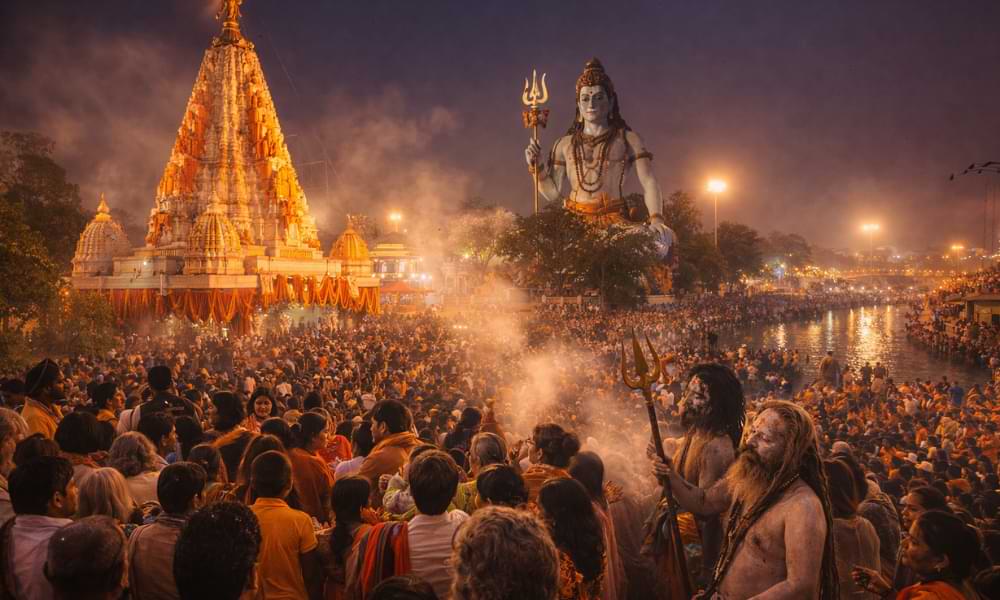
Late at night, you find yourself scrolling through Instagram, stopping on those videos of Ujjain during Mahashivratri. Those clips of thousands of people bathing in the Shipra River at dawn, the Mahakaleshwar Temple lit up as if it’s glowing from within, and that energy that somehow reaches through your screen and touches something inside you.
Maybe you saved a few posts. Maybe you sent one to a friend saying “we should do this.” Or maybe you’re just sitting there right now, wondering if you should actually book that trip for February 26, 2025.
Here’s what I want to tell you after watching countless people share their Ujjain stories online, reading their experiences, and seeing how this place changes them: Ujjain during Mahashivratri isn’t just another temple visit you’ll forget in a week. It’s that experience you’ve been looking for the one that feels real, powerful, and stays with you.
What Makes Ujjain Different When You Have Temples Everywhere?
You already know India has thousands of Shiva temples. You could celebrate Mahashivratri at your local temple in your city whether that’s Delhi, Mumbai, Pune, Bangalore, or anywhere else. Varanasi, Haridwar, Rishikesh are all famous places. So why does Ujjain keep appearing on your feed?
Here’s the simple truth: Mahakaleshwar Temple in Ujjain is one of the twelve Jyotirlingas, and it’s special. The Shiva idol here faces south, which is extremely rare in India. Only a few temples have this. People believe this south-facing direction brings special blessings and spiritual protection.
But you know what makes Ujjain really different? It hasn’t changed into a modern city yet. While other places are building malls and multiplexes everywhere, Ujjain still feels like you’ve stepped back in time.
When you walk through those narrow lanes during Mahashivratri, you’ll see fresh flowers on the ground, smell incense burning, hear actual priests chanting, not recordings from speakers. Everything feels old, authentic, and alive.
Even if you’re planning your trip through a tour and travel company, you’ll notice the difference. Someone who visited last year posted: “I’ve been to big temple festivals before. But Ujjain was different. It didn’t feel like watching a performance. It felt like I was actually part of something ancient.”
That’s what you’re searching for, right? That realness.
That 4 AM Bhasma Aarti Everyone Talks About
Let’s be honest about the Bhasma Aarti because this is probably why you’re still thinking about Ujjain.
Yes, you’ll need to wake up at 4 AM. Yes, your body will hate you for it. Yes, you need to book your entry weeks before (and for Mahashivratri, those spots fill up super fast). Yes, you’ll be tired and sleepy when you reach the temple.
But here’s what happens next: You watch priests perform this ancient ritual using sacred ash, applying it to Lord Shiva while chanting mantras that have been said the exact same way for centuries. And something about being there in the dark, before the sun comes up, watching this tradition that’s older than your great-great-grandparents does something to you.
Look, I won’t pretend I understand all the Sanskrit they’re chanting. I don’t. But what people keep saying is this: standing there during the Bhasma Aarti changes something inside you. Even people who aren’t very religious talk about getting emotional.
A woman from Mumbai shared: “I’m not super religious. I mean, I celebrate Diwali and stuff, but that’s about it. But during the Bhasma Aarti, I just started crying. I still can’t explain why. The energy was just… intense.”
This ritual happens every day in Ujjain. But during Mahashivratri, when you’re surrounded by thousands of people who traveled from Jaipur, Delhi, Indore, Bhopal, Hyderabad even from abroad all for this one moment? The energy is unbelievable.
Mahashivratri is coming on 14-15 February 26th. If you’re serious about this, you need to book your Bhasma Aarti pass on the temple website right now. Those slots are probably already filling up as you read this.
And if you’re planning to travel from your city, don’t wait – book a tempo traveller in advance to reach the temple comfortably and on time.
The Shipra River Experience You Can’t Skip
After the temple, you’ll go to the Shipra River. And honestly, this is where everything comes together for you.
During Mahashivratri, the ghats (those steps going down to the water) become magical. You’ll see thousands of people taking holy baths, believing it washes away their past mistakes and brings good karma. Everywhere you look, there are small shops selling marigold flowers, clay lamps, and incense. Holy men sitting quietly, meditating, completely calm despite all the noise and crowds.
Now, I need to be straight with you. The water won’t be perfectly clean. It’s a river in a busy city with lakhs of visitors. But here’s the thing: when you step into that water, you’re doing exactly what millions of people have done before you, in the same river, for thousands of years. You’re not just bathing, you’re joining history.
A college guy from Pune wrote: “Before going, I was skeptical. Like, it’s just river water, right? But when I was actually standing there, surrounded by all these people with so much faith doing the same thing… I don’t know, man. It felt bigger than me.”
I need to warn you though: if you like everything super clean, organized, and perfect, Ujjain during Mahashivratri will challenge you. It’s crowded. It’s chaotic. It’s raw, unfiltered India. But that’s exactly why it’s so powerful.
The Food and People Will Surprise You
Here’s something you won’t expect: you’re probably going to end up drinking chai with complete strangers and listening to their life stories. And it’ll be one of your favorite memories.
There’s something beautiful about pilgrimage sites in India. Suddenly, everyone’s the same. That rich businessman from Jaipur, the student from Lucknow who saved money for months to come here, the old couple from Nagpur—you’re all sitting on the same steps, waiting for evening prayers, just talking. No filters, no pretense.
And the FOOD. Oh my god, you’ll love the street food in Ujjain. Hot poha for breakfast that tastes better than anything you’ve had before. Crispy kachoris and samosas everywhere. And this local dish called bhutte ka kees (made from corn) you need to try it. It’s addictive.
Since many people fast during Mahashivratri, you’ll find great sabudana khichdi and fresh fruit stalls on every corner. And the lassi near the main temple? Absolutely amazing.
One food blogger wrote: “Went for spirituality, discovered the best street food in Madhya Pradesh. Worth it.”
Getting There: What You Actually Need to Know
Okay, let me give you the practical stuff because you need to plan this properly.
Ujjain is in Madhya Pradesh. The nearest airport is Indore, about 55 kilometers away. From Indore, you can take a taxi or bus to Ujjain. There’s also a railway station in Ujjain with trains from Delhi, Mumbai, Bhopal, Ahmedabad, and other cities.
Many people book their complete journey with good travel companies. Sehgal Travels is one option that offers comfortable buses and cars, especially if you’re traveling from Delhi, Chandigarh, or North India. They handle everything so you can relax.
Now, here’s the important part: you need to book your accommodation NOW. Like, right now. Hotels, guest houses, dharamshalas everything fills up months in advance during Mahashivratri. We’re in late January, and Mahashivratri is on February 26th. If you haven’t booked your stay yet, do it today.
Last year, over 30 lakh (3 million) people visited Ujjain during Mahashivratri. That’s 70 times more than the normal population! So expect huge crowds, long queues, and test your patience. But that’s part of the real experience.
Why This Place Keeps Appearing on Your Feed
You’ve noticed it, right? Ujjain’s Mahashivratri isn’t just for older religious people anymore. Young people, students, working professionals, even the “not really religious but spiritual” crowd they’re all going.
Part of it is definitely social media. When you see those beautiful drone shots of the Shipra ghats at sunrise, or those videos of evening aarti with hundreds of lamps floating on water you want to be there. You want to experience it yourself.
But I think there’s something deeper you’re feeling. In this world where everything is online, filtered, and somehow fake, you’re craving something real. Something that connects you to something bigger, older, more meaningful than your daily routine.
Ujjain gives you that. No pretense. No artificial show. Just raw spiritual energy and tradition that’s been alive for thousands of years.
A 26-year-old from Bangalore posted: “I’m not traditionally religious, but Mahashivratri in Ujjain showed me what faith looks like when millions of people share it. It was humbling and beautiful.”
What You’re Really Looking For: Something Real
You know what’s really happening? You’re not planning just another trip. You’re looking for an experience that feels genuine in a world that often feels shallow and fake.
Ujjain gives you that authenticity. The rituals haven’t been shortened for tourists. The city isn’t some clean spiritual theme park. The prayers start at 4 AM whether it’s convenient or not. The crowds are real. The devotion is real.
A spiritual teacher said online: “People come to Ujjain because they can actually feel something here. It’s not just about remembering God, it’s about experiencing that presence.”
Now, I can’t prove spiritual energy scientifically. That’s something you’ll have to feel yourself. But people constantly say they felt something different in Ujjain compared to other places. Whether that’s divine energy, the power of collective faith, or ancient history—you’ll have to experience it and decide for yourself.
Things Are Changing in Ujjain
You should know that Ujjain is developing fast. The government has spent money on better roads, cleaner areas, improved bathrooms (thank god), and better crowd management.
This is good if you want basic comforts. Nobody wants dirty bathrooms or unsafe conditions.
But some people worry: will all this development take away what makes Ujjain special? Will it become just another tourist place instead of a real spiritual center?
Honestly, nobody knows. What I can tell you is that right now, in early 2025, Ujjain still offers that raw, powerful Mahashivratri experience you’re looking for. How long it stays this way we’ll have to wait and see.
Should You Actually Go?
If you’re still reading this and wondering whether to book that trip for February 2026, here’s my honest answer: Ujjain during Mahashivratri isn’t a comfortable vacation. You won’t get luxury hotels, quiet meditation, or Instagram-perfect moments.
What you’ll get: Big crowds, waking up at 4 AM, long lines, amazing street food, unexpected conversations with strangers, and an experience that might change how you see faith and tradition.
But if you’re tired of fake, filtered experiences and want something real, something that connects you to centuries of tradition, then stop thinking and book your trip. You can even arrange or hire Volvo Bus In Delhi to travel comfortably with your group to Ujjain.
Pack comfortable shoes (you’ll walk a LOT). Keep your mind open. Bring patience for the crowds. And maybe carry wet wipes because staying clean on-the-go can be tricky.
The Shipra River will be there, flowing like it has for thousands of years. The Bhasma Aarti will happen at 4 AM sharp. And Lord Mahakal will be waiting.
The only question is: will you be there on February 26th?
You have less than a month now. Book your travel, find your accommodation, and prepare yourself for a Mahashivratri you’ll remember forever.
Quick Questions You Might Have
Q: When exactly is Mahashivratri 2025?
A: February 26, 2025. Reach Ujjain by February 25th to attend the main day Bhasma Aarti.
Q: Do I need to book the temple visit?
A: Normal visits don’t need booking, but expect 4-6 hour waits during Mahashivratri. Bhasma Aarti needs advance online booking through the official temple website.
Q: Is Ujjain safe for solo women?
A: Yes, generally safe with heavy security during the festival. Stay in good areas, book proper hotels, be careful in crowds.
Q: What clothes should I wear?
A: Modest covered clothing, full pants or long skirts, tops covering shoulders. Comfortable shoes are a must. Carry a scarf for the temple.

Recent Posts
Rajasthan in October: Weather, Places to Visit & Complete Travel Guide

7 Historic Places Linked to Mahatma Gandhi to Visit in 2026