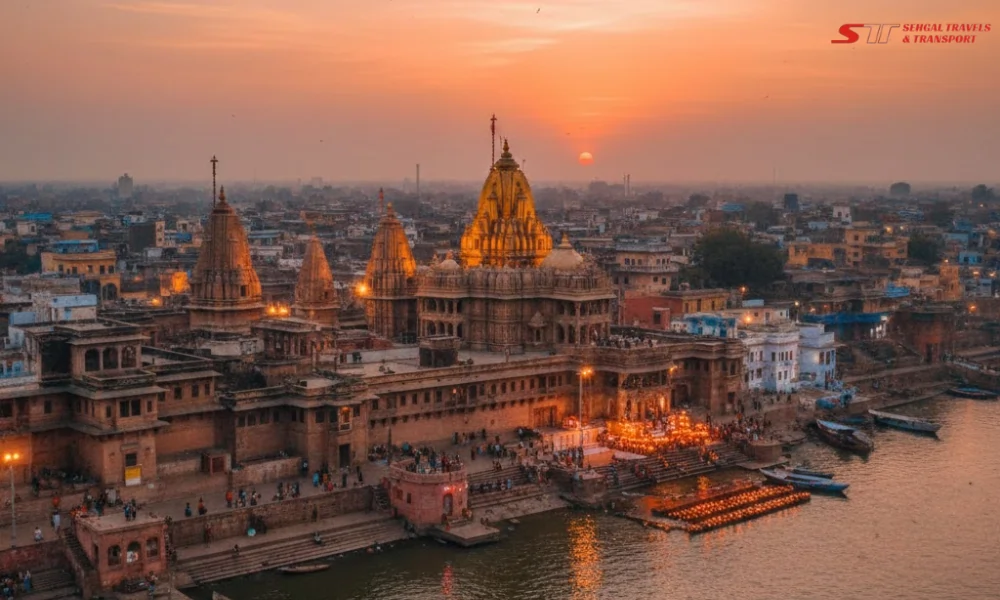
Complete Travel Guide to Kashi Vishwanath Temple in Varanasi
The Spiritual Signal That Never Drops
There are places in the world that feel like they exist on a different frequency where the noise of everyday life fades, and something deeper connects. Varanasi is one of those places. And at its heart beats the Kashi Vishwanath Temple, one of the most sacred Jyotirlinga shrines in all of Hinduism.
Whether you are a first-time pilgrim or a returning devotee, planning a visit to this ancient temple can feel overwhelming. From crowd timings to dress codes to the best ghats nearby, there is a lot to navigate. This guide is your complete travel companion, built to answer every real question a traveller asks before stepping into the holy city of Kashi.
What Is Kashi Vishwanath Temple and Why Does It Matter?
The Kashi Vishwanath Temple is dedicated to Lord Shiva and sits on the western bank of the holy Ganga River in Varanasi, Uttar Pradesh. The word Kashi means “the city of light,” and Vishwanath means “Lord of the Universe.” Together, they describe a place that Hindus believe is the most powerful spiritual address on Earth.
This temple is one of the 12 Jyotirlingas, the sacred self-manifested forms of Shiv, making it a must-visit pilgrimage destination for millions of devotees every year. Its spiritual energy, ancient history, and architectural beauty create an experience that stays with visitors for a lifetime.
A Quick History You Should Know Before You Go
The original temple has been rebuilt multiple times over the centuries. The current structure was built in the 18th century by royal patronage from central India. Later, a generous donation of gold was made to cover the two main spires, which is why the temple’s iconic golden domes shimmer beautifully against the Varanasi skyline.
Understanding this history helps you appreciate every corner of the temple complex, not just the main shrine. The temple has survived invasions, political changes, and the passage of time and still stands as one of the most visited religious sites in the entire country.
How to Reach Varanasi — Your Route Planner
Getting to Varanasi is straightforward from most major cities in India.
By Air: Varanasi has the Lal Bahadur Shastri International Airport (VNS), which receives flights from Delhi, Mumbai, Bangalore, Kolkata, and other major Indian cities.
By Train: Varanasi Junction and Pt. Deen Dayal Upadhyaya Junction are the two main railway stations. Trains connect Varanasi to virtually every part of India, making it very accessible for pilgrims from all regions.
By Road: National highways connect Varanasi to Prayagraj, Lucknow, and Patna. Many travellers also take overnight buses from nearby cities. For groups travelling from Delhi, opting for tempo traveller hire in Delhi can be a convenient and comfortable way to reach Varanasi at your own pace.
Once in Varanasi, the temple is located in the Vishwanath Gali area near Dashashwamedh Ghat. Auto-rickshaws, e-rickshaws, and walking are the best ways to reach the temple lane since the streets in old Varanasi are narrow and full of life.
Visiting Hours and Best Time to Go
The temple opens at 3:00 AM and closes at 11:00 PM. It follows a specific schedule with different darshan (prayer) sessions throughout the day:
- Mangala Aarti — 3:00 AM to 4:00 AM
- Bhog Darshan — 11:30 AM to 12:00 PM
- Sandhya Aarti — 7:00 PM to 8:15 PM
- Shringar Bhog — 9:00 PM to 10:15 PM
- Shayan Aarti — 10:30 PM to 11:00 PM
Best time to visit Varanasi: October to March, when the weather is cool and comfortable. The Maha Shivaratri festival draws the largest crowds and is a powerful spiritual experience if you can handle the intensity.
Pro Tip: Arrive early in the morning or visit on weekdays to avoid long queues. The Mangala Aarti session is deeply moving and absolutely worth waking up early for.
What to Expect Inside the Temple Complex
The main shrine houses the Jyotirlinga in a silver altar. The complex also includes smaller shrines dedicated to Goddess Annapurna, Kala Bhairava, and Vishnu, among others.
Security inside is strict. All bags, phones, and electronic items must be deposited at the cloak room before entry. Dress code is observed shoulders and legs should be covered. Non-Hindus have limited access to certain inner sections, though the outer complex is generally open to all visitors.
The energy inside is unlike anything most visitors have experienced. The combination of chanting, incense, and the golden spires creates what many pilgrims describe as a complete reset, a full disconnection from the noise of the material world and a reconnection to something much larger.
Ghats to Visit Near Kashi Vishwanath Temple
Varanasi’s ghats are inseparable from the temple experience. These are the most important ones nearby:
Dashashwamedh Ghat — The most famous ghat, just minutes from the temple. The Ganga Aarti here every evening is a world-class cultural event. Thousands gather to watch priests perform synchronised fire rituals as the river glows in lamplight.
Manikarnika Ghat — The ancient cremation ghat, believed to be the point where Lord Shiva whispers the Tarak Mantra into the ears of the dying, granting them moksha. It is a profound and humbling site that puts life into perspective.
Assi Ghat — A quieter ghat at the southern end of Varanasi, ideal for morning yoga, peaceful boat rides, and calm reflection away from the crowds.
Food, Stay, and Practical Tips
Where to eat: Varanasi is famous for its kachori sabzi, tamatar chaat, lassi, and thandai. Stick to busy local stalls near the ghats for the most authentic flavours. Avoid eating meat near the temple areas out of cultural respect.
Where to stay: Options range from budget guesthouses along the ghats to premium heritage hotels. Areas like Assi Ghat, Godowlia, and Bhelupur offer good accommodation options at every price range. A reliable tour and travel company can also help book comfortable stays and suggest the best areas to experience local culture.
Practical tips to remember:
- Carry only essential items since storage near the temple is limited
- Wear comfortable footwear that you can remove quickly
- Drink bottled water throughout your visit
- Hire a certified local guide for a deeper historical and spiritual context
- Keep some cash handy, as many vendors do not accept digital payments in narrow lanes
Is It Safe to Travel to Varanasi?
Yes, Varanasi is generally very safe for tourists and pilgrims from all over India and the world. However, the lanes near the temple can get extremely crowded during festivals and weekends. Pickpocketing in tight crowds is a known concern, so keep your valuables secure and stay aware of your surroundings.
Solo women travellers should choose daylight hours for ghat walks and stick to well-populated, busy routes for added comfort and safety.
Frequently Asked Questions (FAQ)
Q: Can non-Hindus visit Kashi Vishwanath Temple?
A: Non-Hindus can visit the outer areas of the complex but may not be allowed into the inner sanctum. It is best to check current guidelines before visiting.
Q: What is the entry fee for Kashi Vishwanath Temple?
A: Entry to the main temple is free. However, special darshan passes and VIP access may involve a nominal fee.
Q: How long should I plan for a Varanasi trip?
A: A minimum of 2 to 3 days is ideal to cover the temple, major ghats, and nearby attractions like Sarnath, where Buddha gave his first sermon and the Ramnagar Fort across the river.
Q: What is the best way to experience the Ganga Aarti?
A: Arrive at Dashashwamedh Ghat by 6:30 PM to get a good viewing spot. You can also take a boat ride on the Ganga for a stunning view of the entire ceremony from the water.
Q: Is photography allowed inside the temple?
A: Photography is not permitted inside the main temple complex. You can photograph the ghats and outer areas freely.
Q: What should I wear when visiting the temple?
A: Wear modest, comfortable clothing that covers your shoulders and knees. Traditional Indian clothing, like a kurta or saree, is always a respectful choice.
Plan Your Journey the Right Way
A trip to Kashi Vishwanath is not just a vacation; it is a deeply personal experience that deserves thoughtful planning. From choosing the right travel dates to understanding local customs and navigating the narrow lanes of old Varanasi, having the right support makes all the difference.
If you are looking for group tour packages and organised pilgrimage travel across sacred destinations in India, including Varanasi, Prayagraj, Ayodhya, Mathura, and beyond, Sehgal Travels offers trusted travel services built around the needs of Indian pilgrims.
The holy city is waiting. All you have to do is show up with an open heart and let Kashi do the rest.
Have you visited Varanasi or Kashi Vishwanath Temple? Share your experience in the comments and help fellow travellers plan their spiritual journey.

Recent Posts
Rajasthan in October: Weather, Places to Visit & Complete Travel Guide

7 Historic Places Linked to Mahatma Gandhi to Visit in 2026