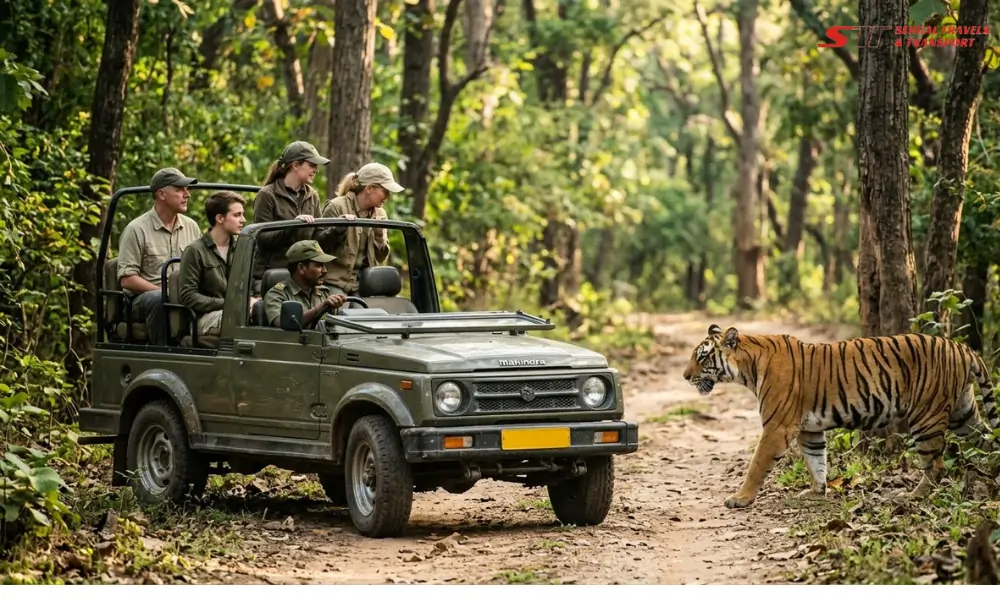
India Wildlife Tours: Top National Parks & Safari Experiences
Discover the Wild Heart of India – From Tiger Reserves to Elephant Corridors
India is one of the few countries in the world where you can spot a Bengal tiger in the morning, watch a one-horned rhinoceros graze by afternoon, and listen to the call of the wild as the sun sets over a golden grassland. Yet, many travellers feel confused about where to begin. Which national park is best for a tiger safari? Which season is right for wildlife watching? How do you plan an Indian wildlife tour without wasting time or money?
If these questions sound familiar, you are in the right place. This guide will walk you through everything from the best wildlife sanctuaries in India and the top safari experiences to insider tips that make your jungle trip truly unforgettable.
Why India Is a Dream Destination for Wildlife Lovers
India holds nearly 7 to 8 percent of the world’s total recorded species. It is home to more than 500 wildlife sanctuaries, 106 national parks, and 18 biosphere reserves. Whether you are a first-time wildlife tourist or a seasoned nature enthusiast, India offers something hard to find anywhere else: raw, diverse, and deeply emotional encounters with wild animals in their natural habitat.
Travelling to these remote destinations is easier when you choose a tempo traveller on rent, allowing comfortable group journeys while exploring everything from wetland birds and migratory species to marine life, reptiles, and rare flora. From the Himalayan foothills to the coastal mangroves of Sundarbans, every ecosystem tells a unique story.
Top National Parks in India for Wildlife Safari
1. Jim Corbett National Park, Uttarakhand
Jim Corbett is the oldest national park in India, established in 1936. Located in the Kumaon region of Uttarakhand, it is the best place in India for a tiger sighting. The park is part of the larger Corbett Tiger Reserve and is home to over 600 bird species, leopards, elephants, and gharials.
Best time to visit: November to June Popular zones: Dhikala, Bijrani, Jhirna, Dhela Safari type: Jeep safari, Canter safari, Elephant safari
2. Ranthambore National Park, Rajasthan
Ranthambore is perhaps the most famous tiger reserve in India. Situated near Sawai Madhopur in Rajasthan, it sits in the middle of a dry deciduous forest with a beautiful backdrop of ancient ruins and a 10th-century fort. Tigers here are relatively habituated to jeeps, making sightings more frequent than in many other parks.
Best time to visit: October to May Popular zones: Zone 1 to Zone 10 Safari type: Gyspy safari, Canter safari
3. Kaziranga National Park, Assam
Kaziranga is a UNESCO World Heritage Site and holds two-thirds of the world’s population of the one-horned Indian rhinoceros. Located in Assam on the banks of the Brahmaputra River, Kaziranga also shelters tigers, wild water buffaloes, swamp deer, and over 400 bird species. It is a must-visit for wildlife lovers heading to North-East India.
Best time to visit: November to April (Park closes during monsoon) Safari type: Jeep safari, Elephant safari
4. Bandhavgarh National Park, Madhya Pradesh
Bandhavgarh is known for having one of the highest tiger densities in India. Located in the Vindhya Hills of Madhya Pradesh, the park is compact and ideal for multiple sightings in a single safari. It is also home to leopards, sloth bears, and a wide variety of deer species.
Best time to visit: October to June Popular zones: Tala, Magadhi, Khitauli Safari type: Jeep safari
5. Sundarbans National Park, West Bengal
The Sundarbans is the world’s largest mangrove forest and home to the Royal Bengal Tiger, a subspecies uniquely adapted to swimming in saltwater. Located in the delta of the Ganga, Brahmaputra, and Meghna rivers, the Sundarbans is unlike any other wildlife destination in India. Boat safaris through narrow creeks create an eerie and thrilling experience.
Best time to visit: October to March Safari type: Boat safari
6. Periyar Tiger Reserve, Kerala
Periyar is one of South India’s finest wildlife sanctuaries, located in the Cardamom Hills of Kerala. It is famous for its boat rides on Periyar Lake, where elephants, gaur (Indian bison), sambar deer, and otters can be spotted along the shore. The dense evergreen and semi-evergreen forests add to the mystique.
Best time to visit: October to May Safari type: Boat safari, Nature walk, Bamboo rafting
7. Gir National Park, Gujarat
Gir is the only place in the world outside Africa where you can see Asiatic lions in the wild. Located in the Saurashtra region of Gujarat, the park is also home to leopards, hyenas, jackals, and over 300 species of birds. A lion safari in Gir is truly a once-in-a-lifetime experience.
Best time to visit: December to March Safari type: Jeep safari
Types of Wildlife Safari Experiences in India
India offers a wide variety of safari formats to suit different interests, budgets, and fitness levels:
Jeep Safari (Gypsy Safari): The most common form of jungle safari in India. A 6-seater open jeep takes you deep inside the core zones of the national park with a trained naturalist and a licensed guide.
Elephant Safari: Available in parks like Kaziranga and Corbett, this gives you a higher vantage point and allows you to access areas where jeeps cannot go.
Boat Safari: Essential in Sundarbans and Periyar, where water channels define the landscape and wildlife watching happens from a floating vessel.
Walking Safari and Nature Trails: Offered in some buffer zones and eco-sensitive areas, these are ideal for birdwatching and experiencing the forest on foot.
Night Safari: Available in select wildlife zones and forest rest areas, allowing you to spot nocturnal animals like civets, porcupines, and leopards.
Best Time to Visit Wildlife Sanctuaries in India
India’s wildlife watching season generally runs from October to June, with minor variations depending on the region:
- Winter (October to February): Ideal for most parks, including Ranthambore, Corbett, and Gir. Cooler temperatures, dry grasslands, and migratory birds make this a top season.
- Summer (March to June): Water sources dry up, animals gather near rivers and waterholes, making sightings much easier. This is peak tiger-spotting season in Madhya Pradesh and Rajasthan.
- Monsoon (July to September): Most national parks in Central India close during this period. However, North-East India and South India remain accessible.
Wildlife Tourism Tips for Indian Travellers
- Always book safari permits in advance, especially for popular zones like Tala in Bandhavgarh or Zone 3 in Ranthambore.
- Wear muted, earthy colours inside the jungle. Avoid bright clothes that disturb animals.
- Stay silent during the safari. Noise reduces the chance of sightings and disturbs the natural behaviour of animals.
- Carry binoculars and a good camera with a zoom lens for bird and animal photography.
- Respect the buffer zones and do not litter inside the forest area.
- Choose a responsible wildlife tour operator who follows eco-tourism guidelines.
Frequently Asked Questions About India Wildlife Tours
Q: Which is the best national park in India for a tiger safari?
A: Ranthambore in Rajasthan and Bandhavgarh in Madhya Pradesh are considered the best parks for tiger sighting due to high tiger density and frequent spotting.
Q: How much does a wildlife safari cost in India?
A: Costs vary by park and zone. A basic jeep safari can range from ₹1,500 to ₹5,000 per person, excluding accommodation and travel. Premium wildlife lodges and resort packages can range from ₹8,000 to ₹30,000+ per night.
Q: Is India wildlife tour safe for solo travellers?
A: Yes, most national parks in India are safe for solo travellers. Safaris are always conducted with a licensed naturalist and guide. It is advisable to book through a registered travel operator for a smoother experience.
Q: Can I see the Big Five animals in India?
A: India does not have the African Big Five, but it has its own iconic list Bengal Tiger, Asiatic Lion, Indian Elephant, One-Horned Rhinoceros, and Indian Leopard often referred to as India’s Big Five.
Q: Which is the best wildlife destination in South India?
A: Periyar Tiger Reserve in Kerala, Nagarhole National Park in Karnataka, and Anamalai Tiger Reserve in Tamil Nadu are among the top wildlife spots in South India.
Plan Your India Wildlife Tour with Confidence
India’s wildlife heritage is vast, ancient, and deeply moving. From the roar of a tiger in Madhya Pradesh to the trumpeting of elephants in Kerala’s forests, every jungle safari here tells a story that stays with you long after you return home.
Whether you are planning a short weekend wildlife getaway or an extended multi-park India jungle tour, the key is to plan thoughtfully and choose the right season, the right zone, and the right kind of safari for your interests.
If you are looking for a well-planned, comfortable, and responsible travel and transportation company, Sehgal Travels offers curated safari packages across India’s top national parks designed to give you the best of Indian wilderness without any of the planning hassle.
Start exploring. India’s wild places are waiting.

Recent Posts

Rajasthan in October: Weather, Places to Visit & Complete Travel Guide

7 Historic Places Linked to Mahatma Gandhi to Visit in 2026