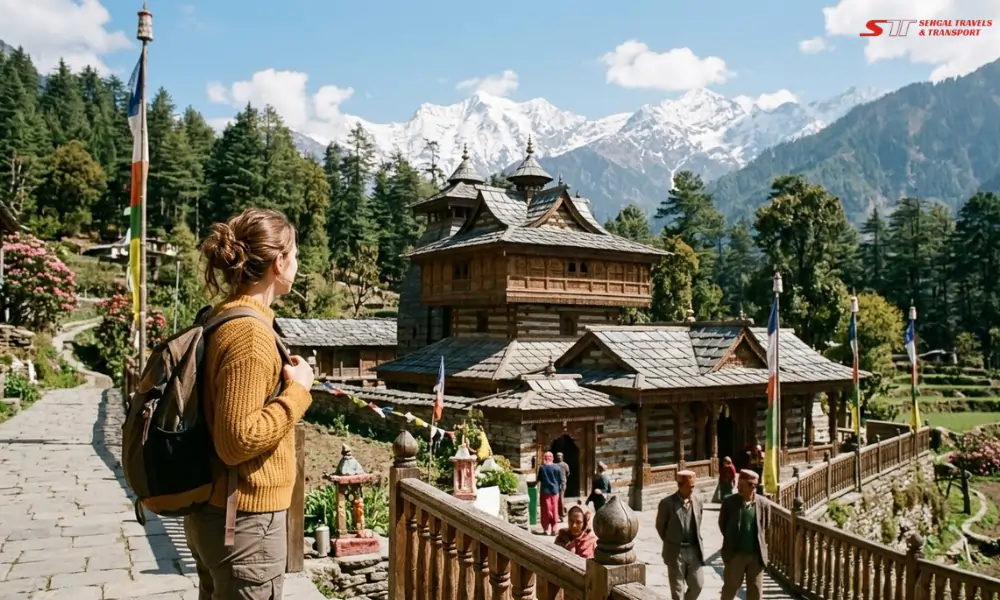
Explore Dev Bhoomi Himachal: A Journey Through Sacred Traditions and Serenity
Himachal Pradesh is not just a place on the map. It is a feeling. The moment you cross the plains of Punjab and see the first rise of the hills, something shifts inside you. The air becomes cooler, the noise of city life fades away, and a deep sense of calm begins to settle in. People have been calling this land Dev Bhoomi for centuries, which means the Land of Gods, and the moment you arrive, you understand exactly why.
Many travellers today are tired of crowded tourist spots, overpriced hotels, and trips that feel more like rushing through a checklist than actually experiencing a place. Himachal Pradesh is the answer to all of that. It is a destination where ancient temple bells echo through pine forests, where local communities still carry forward rituals passed down for thousands of years, and where the mountains themselves seem to hold a kind of spiritual energy that is hard to describe but easy to feel.
Whether you are a first-time traveller or someone who has long dreamed of the Himalayas, this guide will walk you through everything you need to know about Himachal Pradesh, its sacred traditions, serene landscapes, and how to experience it in the most meaningful way. From spiritual journeys to scenic road trips, you can elevate your travel experience with a luxury bus rental, making your exploration comfortable, convenient, and truly unforgettable.
Why is Himachal Pradesh called Dev Bhoomi?
The name Dev Bhoomi is not just poetic. It carries real historical and cultural weight. Himachal Pradesh is home to more than 2,000 temples, countless shrines, and sacred rivers that Hindus consider deeply holy. The region is believed to be the dwelling place of gods and sages, and this belief is woven into every aspect of daily life here.
The ancient scriptures mention several places in Himachal as sites where gods descended to earth. The Shikari Devi Temple, located in the Mandi district at an altitude of around 3,359 metres, is said to have no roof because the goddess herself does not allow one to be built. The snow that falls during winter is considered her natural covering. Stories like these are not myths in Himachal. They are lived realities for the people who call this land home.
The Chamunda Devi Temple near Dharamshala, the Baijnath Temple dedicated to Lord Shiva in Kangra, and the Hadimba Devi Temple in Manali are among the most revered religious sites in northern India. Pilgrims travel from all over the country throughout the year to seek blessings at these places. The architecture of these temples reflects a unique Himachali style, with wooden carvings, sloped rooftops, and stone foundations that have stood for hundreds of years.
The Sacred Traditions That Make Himachal Unique
One of the most remarkable things about Himachal Pradesh is how alive its traditions still are. In many parts of India, ancient customs are fading. In Himachal, they continue with full energy and community participation.
The Kullu Dussehra is one of the most famous festivals in India and has been given the status of an international festival by the Government of India. Unlike most parts of India where Dussehra marks the burning of Ravana’s effigy, in Kullu it is a grand celebration of Lord Raghunath, with deities from hundreds of villages being carried in procession to the Dhalpur Maidan. This event has been taking place for more than 400 years and draws hundreds of thousands of visitors every October.
The Minjar Fair in Chamba, the Shivratri Fair in Mandi, and the Lahaul Festival in the Spiti Valley are other celebrations that reveal the deep spiritual and cultural fabric of this region. Local communities still perform traditional folk music using instruments like the narasigha, karnal, and dhol. The Nati dance, which is a traditional group dance of Himachal Pradesh, has even earned a place in the Guinness World Records for the largest folk dance gathering.
Beyond festivals, everyday life in Himachal carries its own rituals. Villagers still perform morning prayers at local devta shrines before beginning their day. Locally appointed priests called pujaris carry forward generations of knowledge about sacred plants, seasonal rituals, and community ceremonies. Visiting a small mountain village during any festival season gives you access to a living tradition that no museum or heritage site can replicate.
Places That Carry Peace Within Them
Himachal Pradesh has many popular destinations, but it also has quiet corners that most travellers never discover. Spiti Valley, with its cold desert landscape and ancient Buddhist monasteries, is one of the most otherworldly places in India. The Key Monastery, which sits at over 4,000 metres, is over 1,000 years old and still houses monks who practise Tibetan Buddhism. The silence here is extraordinary.
Bir Billing in Kangra district has become known as the paragliding capital of India, but beyond the adventure sport, the Chokling Monastery and the nearby meditation centre make it a hub for people looking for spiritual grounding. McLeod Ganj, the home of the Tibetan government in exile and His Holiness the Dalai Lama, carries a unique energy that blends Tibetan Buddhism with Himachali culture.
Kasol and Kheerganga in the Parvati Valley draw younger travellers seeking trekking and nature experiences. The natural hot water spring at Kheerganga, reached after a 12-kilometre trek through forests, is one of those rare rewards that remind you why physical effort in the mountains is always worth it.
Dharamshala, Shimla, Dalhousie, and Chail are more established destinations that offer a mix of colonial history, hill station charm, and natural beauty. Shimla, the former summer capital of British India, has a well-preserved Mall Road and historical buildings that reflect both Indian and British architectural influences.
Practical Travel Guidance for Himachal Pradesh
The best time to visit Himachal Pradesh depends on what you are looking for. The summer months from April to June are ideal for hill stations and valleys. The monsoon season from July to September brings lush greenery but also road disruptions in many areas. Winter, from October to February, transforms higher altitude regions into snow-covered landscapes that are magical for those who do not mind the cold.
Road travel is the most common and scenic way to explore the state. The roads can be narrow and winding, so it is always better to travel with experienced local drivers who know the terrain. Many travellers prefer options like a tempo traveller on rent when exploring in groups, as it offers both comfort and practicality on these hilly routes. Train connectivity is limited to a few routes, including the famous Kalka to Shimla toy train, a UNESCO World Heritage Site and one of the most enjoyable rail journeys in India.
Accommodation options range from luxury hotels and heritage resorts to budget guesthouses and homestays. Staying with a local family in a village homestay is one of the most enriching travel experiences you can have in Himachal. It gives you access to home-cooked Himachali food like siddu, madra, and aktori, along with genuine conversations about local life and culture.
Frequently Asked Questions About Himachal Pradesh Travel
Q: What is the best time to visit Himachal Pradesh?
A: For most tourists, March to June and September to November are the most comfortable periods. Higher altitude places like Spiti and Lahaul are best visited between May and October.
Q: Is Himachal Pradesh safe for solo travellers and women travellers?
A: Yes, Himachal Pradesh is widely considered one of the safest states in India for all kinds of travellers. Local communities are generally welcoming and respectful. For added comfort and peace of mind, many travellers choose to plan their journey with a trusted tour and travel company, especially when exploring remote or less familiar areas.
Q: How many days are enough for a Himachal trip?
A: A minimum of seven to ten days is recommended to cover one or two regions properly. For a comprehensive experience across multiple valleys and districts, two to three weeks is ideal.
Q: What are the must-visit temples in Himachal Pradesh?
A: Hadimba Devi Temple in Manali, Chamunda Devi Temple in Kangra, Jwala Ji Temple in Kangra, Baijnath Temple, and the Shikari Devi Temple in Mandi are considered essential spiritual stops.
Q: Can you visit Spiti Valley without a permit?
A: Indian nationals do not need a permit for the Spiti Valley. Foreign nationals require an Inner Line Permit for certain restricted areas.
A Journey Worth Taking
Himachal Pradesh is not a destination you visit once and forget. It is the kind of place that stays with you, that calls you back, and that slowly changes the way you see the world. Its mountains carry stories older than recorded history. Its temples hold a devotion that is deeply human and deeply moving. Its people carry a warmth and simplicity that city life rarely offers.
If you are planning your first or your next trip to Dev Bhoomi, travelling with a reliable and knowledgeable travel partner makes all the difference. Sehgal Travels offers curated journeys across Himachal Pradesh that are thoughtfully designed for travellers who want to go beyond the obvious and experience something genuinely meaningful. You can also explore the positive Google reviews for Sehgal Travels to better understand the experiences of past travellers and the quality of service they provide.
The mountains are waiting. All you have to do is take the first step.

Recent Posts
Rajasthan in October: Weather, Places to Visit & Complete Travel Guide

7 Historic Places Linked to Mahatma Gandhi to Visit in 2026