Churdhar Trek Adventure Guide: Tips, Trails & Travel with Trusted Travel Guides
Your Complete Trekking Guide to the Highest Peak in Outer Himalayas
If you have ever searched for a trek that gives you real Himalayan beauty without needing professional mountaineering skills, then Churdhar is the answer. Many trekkers in India spend hours searching for the right trail, the right season, and the right travel partner. Most end up confused because the information online is either too technical or too vague. This guide is written to solve exactly that problem.
Churdhar Peak, also known as Churdhara, sits at an altitude of 3,647 metres above sea level in the Sirmaur district of Himachal Pradesh. It is the highest peak in the outer Himalayan range and is home to the ancient Shri Shirgul Maharaj Temple, which makes this trek spiritually significant as well as adventurously rewarding. Whether you are a solo traveller, a group of friends, or a family looking for a moderate Himalayan experience, Churdhar has something genuine to offer.
Understanding the Churdhar Trek: What Makes It Special
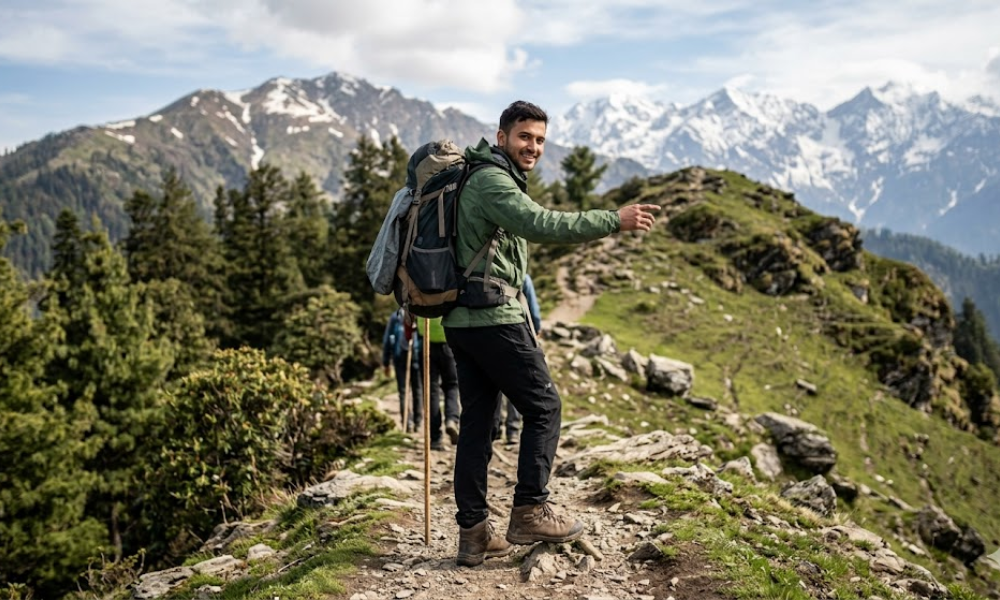
The Churdhar Trek is not just a walk through mountains. It is a complete experience that combines dense deodar and rhododendron forests, open meadows called bugyals, rocky ridgelines, and panoramic views of peaks like Srikhand Mahadev, Kedarnath, and even Badrinath on clear days.
The trail passes through small Himachali villages where locals still follow traditional ways of life. You will hear the sound of temple bells, smell fresh pine in the morning air, and if you are lucky, spot wildlife like the Himalayan black bear, barking deer, and various species of Himalayan birds.
The trek is classified as moderate to difficult. It is suitable for trekkers who have basic fitness and some prior experience with hill walking. The total distance of the main trail is approximately 16 to 18 kilometres one way, depending on your starting point. Most trekkers complete the journey in two to three days.
For a smooth and hassle-free journey, tempo traveller services can provide reliable transport and support, ensuring you reach the trailheads comfortably and on time.
What sets this trek apart from popular trails like Triund or Kheerganga is the lower crowd density and the raw, untouched nature of the landscape. You are not walking behind a crowd here. You are genuinely exploring.
Best Time to Visit Churdhar
Choosing the right season is one of the most common questions trekkers ask. The answer depends on what experience you are looking for.
April to June is ideal for those who want green meadows and moderate temperatures. The forests are lush, the sky is often clear, and the trail conditions are good. This is considered the pre-monsoon window and is one of the best times for photography and wildlife spotting.
July to September brings the monsoon season. The trails can become slippery and landslides are a risk in some sections. However, the waterfalls during this period are absolutely stunning and the entire landscape turns a deep, rich green. Experienced trekkers who do not mind the rain often prefer this period.
October to November is the post-monsoon season. The skies are crystal clear, the air is crisp, and the views of distant snow peaks are at their absolute best. This is widely considered the peak season for Churdhar Trek.
December to March brings heavy snowfall. The trail is not recommended for most trekkers during these months unless you have winter trekking experience and proper gear.
The Trail Route: Step by Step
The most commonly used starting point for Churdhar Trek is Nohradhar, a small town in Sirmaur district. Nohradhar is well connected by road from Shimla, which is approximately 100 kilometres away.
From Nohradhar, the trail climbs through oak and rhododendron forests before opening up into the Teesri meadow. This first section is approximately 7 kilometres and takes around four to five hours for an average trekker. Teesri offers basic camping facilities and is a popular overnight stop.
From Teesri, the trail continues upwards through more dense forest before reaching Churdhar summit. This second section is approximately 8 to 9 kilometres and involves steeper terrain. The final push to the summit takes you past the Shirgul Maharaj Temple, which sits right at the top and is visited by thousands of pilgrims every year during the annual fair in May and June.
Another popular route starts from Sarahan in Sirmaur district, not to be confused with the Sarahan near Sangla in Kinnaur. This route is slightly longer but less crowded and passes through beautiful dense forests and small shepherd settlements.
A third entry point is from Kumrat village, which offers a more gradual ascent and is preferred by those who want a gentler approach.
Practical Tips for Churdhar Trek
Preparation makes the difference between a great trek and a difficult one. Here are key things every trekker should know before heading to Churdhar.
Physical preparation matters a lot. Start walking regularly at least three to four weeks before your trek. Stair climbing, jogging, and yoga for flexibility will help your body adjust to sustained uphill walking.
Acclimatisation is important even though Churdhar does not reach extreme altitudes. Spend at least one night at Nohradhar before starting the trek. This helps your body adjust to the higher elevation gradually.
Packing smart is an art. Carry only what you need. A good quality 40 to 50 litre backpack should be sufficient. Key items include warm layers, a waterproof jacket, trekking poles, a headlamp, a basic first aid kit, water purification tablets, energy snacks, and a light sleeping bag if you plan to camp.
Accommodation options on the trail range from basic camping sites to small guest houses in Nohradhar and Teesri. The Himachal Pradesh Forest Department operates a rest house near the summit which can be booked in advance through the district forest office.
Water sources are available along the trail but always carry at least two litres at a time and purify water from natural streams before drinking.
Mobile network coverage is available in Nohradhar and limited in parts of the trail. BSNL tends to have the best reach in remote Himachali areas. Inform someone about your trek plan before you set out.
Permits are currently not required for this trek, but this can change based on state government policies. Always check with local tourism offices or your travel operator before the trip.
Leave no trace. Churdhar is a relatively clean trail compared to more commercialised treks. Carry your waste back, avoid single use plastics, and respect the local ecosystem and temple surroundings.
Real Experiences from Churdhar Trekkers
Many trekkers who have completed the Churdhar route describe the summit experience as deeply moving. Standing at the temple at 3,647 metres, looking out over the Himalayan range stretching in every direction, is something that stays with you long after you return home.
One common account from trekkers is the challenge of the last two kilometres before the summit. The trail becomes steep and rocky and the altitude starts to show its effect even on fit individuals. Taking it slow, staying hydrated, and not rushing this section is the most consistent advice from experienced hikers.
The Shirgul Maharaj Temple at the top is one of the highest Shiva temples in the outer Himalayas. Locals believe the deity protects the entire Sirmaur region. During the annual mela, thousands of devotees make the pilgrimage on foot, which speaks to both the spiritual importance and the genuine accessibility of this trail.
Frequently Asked Questions About Churdhar Trek
Q: How difficult is Churdhar Trek?
A: Churdhar Trek is rated moderate to difficult. It is suitable for trekkers with reasonable fitness and basic hill walking experience. The steep sections near the summit require extra effort.
Q: How many days does Churdhar Trek take?
A: Most trekkers complete the Churdhar Trek in two to three days including ascent and descent. A comfortable itinerary includes one night at Teesri and one night near the summit before returning.
Q: What is the best base camp for Churdhar Trek?
A: Nohradhar in Sirmaur district is the most commonly used base camp. It has good road connectivity from Shimla and offers basic amenities for trekkers.
Q: Is Churdhar Trek open throughout the year?
A: No. The trek is best done from April to November. Heavy snowfall makes it inaccessible and dangerous in the winter months.
Q: Is there a mobile network on the Churdhar Trail?
A: Mobile connectivity is available in Nohradhar. On the trail itself, signal is limited. BSNL has the widest coverage in the area.
Travelling to Churdhar with Sehgal Travels
Getting to the right starting point is half the journey. Nohradhar is accessible from Shimla by road and the route passes through beautiful Himachali landscapes. If you are travelling from Delhi, the journey to Shimla and then onwards to Nohradhar is straightforward by both road and rail.
Sehgal Travels, based in India, helps trekkers and travellers plan their Churdhar journey from the ground up. From arranging comfortable road transport across key Himachal Pradesh routes to helping you figure out the best travel dates, rest stops, and local contacts, the team brings local knowledge and genuine travel experience to every trip they support. They specialize in complete tour and transportation services to make your journey seamless.
If you are planning your Churdhar Trek and want the logistics to be smooth so you can focus entirely on the experience, it is worth getting in touch with a travel partner who knows the region well. Sehgal Travels is one name worth considering for this.
The mountains are waiting. Plan well, travel responsibly, and let Churdhar show you what the outer Himalayas are truly made of.

Recent Posts
Rajasthan in October: Weather, Places to Visit & Complete Travel Guide

7 Historic Places Linked to Mahatma Gandhi to Visit in 2026