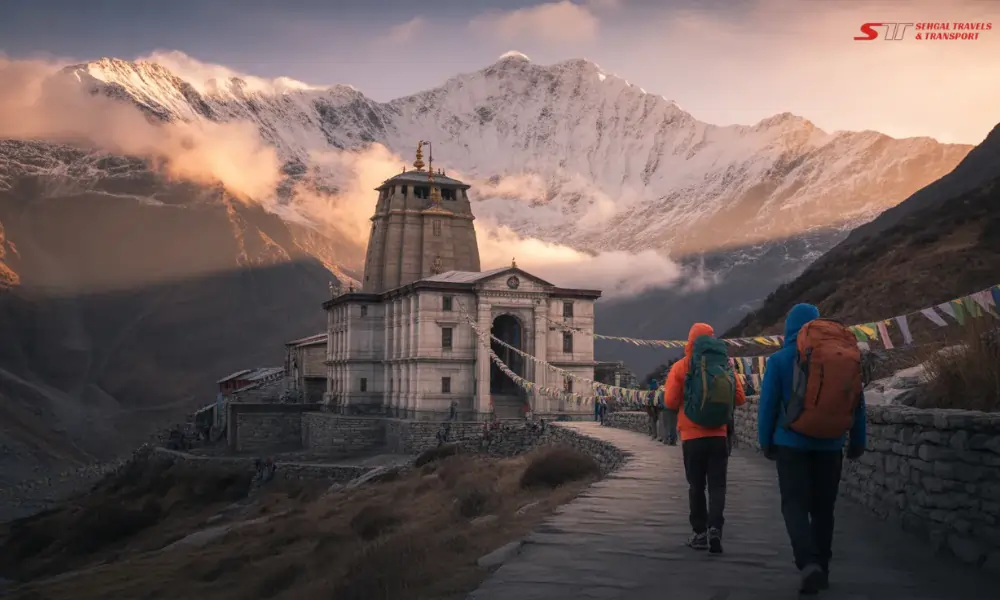
First Time to Kedarnath? Essential Trek Tips You Need in 2026
Are you planning your first journey to Kedarnath but feeling overwhelmed about where to start? The Kedarnath trek is one of the most popular trekking destinations in the Indian Himalayas, attracting thousands of adventure seekers every year. However, many first-time trekkers face common challenges like altitude sickness, improper fitness preparation, and packing mistakes that can turn an exciting experience into a difficult ordeal.
If you are wondering how to prepare for the Kedarnath trek, what equipment you need, or how to handle the physical demands of this high-altitude trek, you have come to the right place. This comprehensive guide will help you understand everything about trekking to Kedarnath and ensure you have a memorable and safe experience.
Understanding the Kedarnath Trek
The Kedarnath trek is located in the Uttarakhand region of northern India, offering breathtaking views of the Himalayan mountains and access to one of the holiest Hindu pilgrimage sites. The trek itself covers approximately 14 kilometres from Gaurikund to Kedarnath, typically taking between 4 and 6 hours depending on your fitness level and acclimatisation.
What makes the Kedarnath trekking route particularly challenging is the combination of high altitude, steep inclines, and unpredictable mountain weather conditions. The shrine sits at an elevation of 3,583 metres above sea level, which means your body will experience lower oxygen levels. This is why understanding altitude sickness symptoms and proper trekking preparation becomes crucial for first-time trekkers. Many travellers also prefer booking through a reliable tour and travel company in Delhi to ensure smooth planning, permits, and a well-organised trekking experience.
The best season for Kedarnath trekking is from May to October, when weather conditions are most favourable, and the mountain paths are accessible. During the winter months, heavy snowfall closes the trekking routes, making access impossible. Summer months offer mild temperatures, though you should still prepare for sudden weather changes.
Getting Physically Ready For the Trek
One of the most important aspects of Kedarnath trek preparation is building adequate physical fitness. Many first-time trekkers underestimate the physical demands and start their trek without proper training, leading to exhaustion and potential health issues.
Begin your fitness routine at least 8 to 12 weeks before your planned trek date. Focus on cardiovascular exercises that build your stamina and endurance. Walking for 45 minutes to an hour daily is an excellent starting point. Gradually increase the intensity by walking on inclines or stairs, which simulates the uphill sections of the trek.
Include strength training exercises in your workout routine to build leg muscles and core strength. Squats, lunges, and step-ups are particularly beneficial for trekkers. These exercises help your legs handle the sustained climbing without experiencing severe muscle fatigue or soreness.
Flexibility and balance are equally important. Incorporate yoga and stretching routines that improve your flexibility and reduce the risk of injuries. Balanced fitness preparation ensures your entire body is ready for the physical demands of high-altitude trekking.
Choosing The Right Trekking Equipment And Gear
Having the correct trekking gear can significantly impact your comfort and safety during the Kedarnath trek. Improper equipment choices often lead to discomfort, injuries, or worse, compromised safety on the mountain.
Invest in proper trekking shoes with good ankle support and non-slip soles. The terrain involves rocky paths, steep climbs, and potentially muddy sections, especially during the monsoon season. Quality trekking boots protect your feet and prevent injuries.
Carry adequate warm clothing regardless of the season. Mountain temperatures can drop rapidly, especially in early morning or evening hours. A good quality jacket, thermal layers, and woollen socks are essential. Include a lightweight raincoat because sudden rain showers are common in the Himalayas.
Your backpack should be comfortable and properly fitted, ideally sized between 45 to 55 litres. Distribute the weight evenly with heavier items closer to your back. A poorly fitted backpack causes back pain and exhaustion during long trekking hours.
Pack a comprehensive first aid kit containing pain relief medicines, altitude sickness medication, blister treatment, and any personal medicines. Carry electrolyte supplements and energy bars for maintaining your energy levels throughout the trek.
Acclimatisation And Altitude Management
Altitude sickness is the most common health concern for trekkers attempting high-altitude treks. Recognising symptoms early and taking appropriate measures can prevent serious complications.
Symptoms of altitude sickness include headaches, nausea, dizziness, fatigue, and shortness of breath. These symptoms occur because your body needs time to adjust to lower oxygen levels at higher elevations.
Proper acclimatisation means giving your body time to adapt to altitude gradually. Start your trek early in the day and maintain a slow, steady pace. Avoid rushing to the summit. Many experienced trekkers follow the principle of climbing high and sleeping low, which involves spending time at intermediate altitudes before ascending further.
Stay well hydrated throughout the trek. Drink water frequently in small quantities rather than large amounts at once. Proper hydration improves oxygen circulation and reduces altitude sickness symptoms. Avoid alcohol and heavy meals before trekking as they can worsen altitude-related problems.
Consider consulting a doctor before your trek and discussing altitude sickness prevention measures. Some trekkers use acetazolamide medication under medical guidance, which helps acclimatise faster.
Navigating Weather And Seasonal Considerations
Weather conditions on the Kedarnath trek can change dramatically within minutes. Being prepared for various weather scenarios is crucial for your safety and comfort.
The monsoon season from July to August brings heavy rainfall that makes trekking paths slippery and increases the risk of landslides. If you prefer to trek during monsoon months, ensure you have an excellent trekking experience and proper rain gear.
Early morning departures help you reach higher elevations before afternoon weather deteriorates. Plan your trekking schedule accordingly. Most trekkers start early morning between 4 to 6 AM to cover maximum distance during daylight hours and avoid trekking in darkness.
Check weather forecasts regularly during your trek preparation phase. Be flexible with your dates and consider postponing if severe weather warnings are issued. No trekking experience is worth compromising your safety.
Practical Tips For A Safe And Enjoyable Trek
Find a reputable local guide or join an organised trekking group. Local guides possess extensive knowledge about the terrain, weather patterns, and emergency procedures. They can also help with altitude acclimatisation and encourage difficult sections. Many travellers also choose a tempo traveller on rent to comfortably reach the starting point of the trek with their group, making the journey more convenient and organised.
Stay connected with your family back home by informing them of your trekking schedule and estimated arrival times. However, mobile network coverage is limited on the mountain, so do not depend entirely on staying constantly connected.
Take regular breaks during the trek to rest and recover. Resting allows your body to maintain energy levels and reduces the risk of injuries. Find shaded areas or natural stopping points to sit down and hydrate properly.
Respect local culture and environment. The Kedarnath shrine holds religious significance for many pilgrims. Maintain respectful behaviour and follow local customs. Leave no litter behind and stick to designated trekking paths to preserve the natural environment.
Start the trek with mental preparation as important as physical preparation. Visualise yourself completing the trek successfully. Build positive thoughts and develop mental strength to overcome challenging sections.
Frequently Asked Questions About Kedarnath Trekking
Q: What is the best time to trek to Kedarnath?
A: The ideal trekking season is May to June and September to October when the weather is most stable, and temperatures are mild. These months offer clear visibility of mountain peaks and safer trekking conditions.
Q: How long does the Kedarnath trek take?
A: The trek typically takes 2 to 3 days, depending on your fitness level and acclimatisation. Day one involves trekking from Gaurikund to Kedarnath, covering 14 kilometres in approximately 5 to 6 hours. Many trekkers spend additional days for acclimatisation and recovery.
Q: What is the cost of trekking to Kedarnath?
A: Costs vary based on your choices. Budget trekking costs between Rs 2,500 to Rs 5,000 for accommodation and meals. Hiring a guide adds Rs 800 to Rs 1,500 per day. Total trek costs typically range from Rs 8,000 to Rs 15,000 per person, including transport and accommodation.
Q: Do I need prior trekking experience?
A: No, you do not need prior trekking experience for the Kedarnath trek. However, good physical fitness and proper preparation are essential. The trek is moderately challenging and suitable for beginners with adequate training.
Q: Can women trek to Kedarnath?
A: Absolutely yes. Many women complete the Kedarnath trek every year. Physical fitness matters more than gender. Women trekkers should carry appropriate clothing for comfort and maintain proper hygiene during the trek.
Getting Ready For Your Kedarnath Adventure
Trekking to Kedarnath is not just a physical journey but also a spiritual and mental experience that transforms how you view yourself and nature. The combination of stunning mountain scenery, spiritual significance, and personal challenge makes this trek unforgettable.
Remember that every trekker’s experience is unique. What matters most is that you prepare adequately, respect your body’s limits, and enjoy the journey at your own pace. The mountains are not going anywhere, and reaching Kedarnath is about the experience and growth along the way, not just the destination.
Before you start your Kedarnath trek, consider connecting with local experts who intimately understand the terrain and weather patterns. Sehgal Travels can provide valuable guidance on route planning, accommodation options, and logistics management. We’ve seen many customers share positive feedback about their services, especially for their smooth coordination and reliable on-ground support. Having such trusted assistance ensures you focus more on enjoying your trekking experience rather than worrying about operational details.
Start your preparation today, follow the practical tips outlined in this guide, and embark on a Kedarnath trek that becomes a cherished memory for years to come. The Himalayan mountains are calling, and you are ready to answer that call with proper planning and determination.

Recent Posts

Famous Dussehra Celebrations in North India: Best Places to Visit

Rajasthan in October: Weather, Places to Visit & Complete Travel Guide