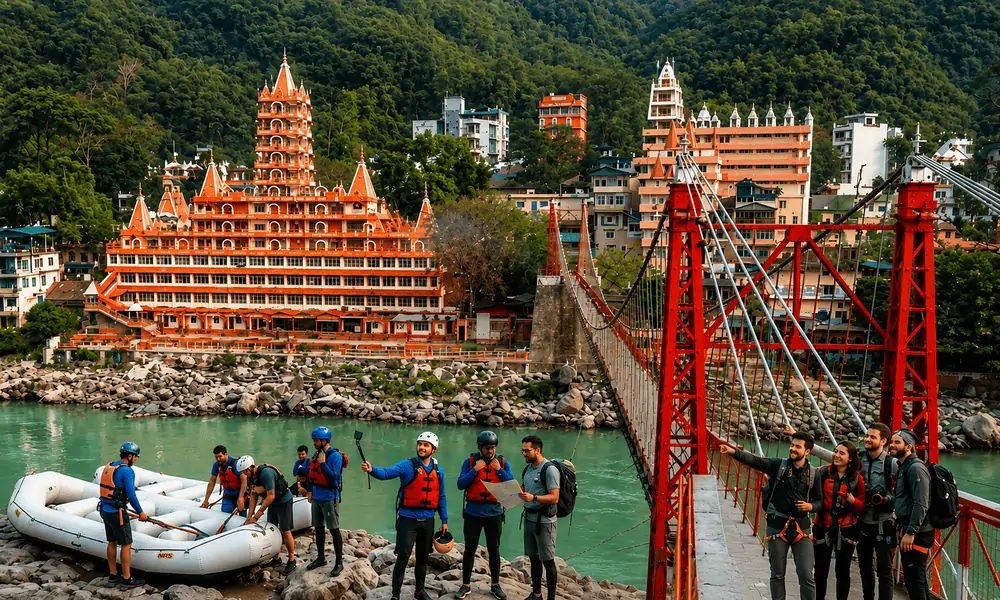
The Ultimate Rishikesh Rafting Adventure Every Group Trip Needs
Most group trips end up feeling the same. You book a hotel, visit a few temples, eat some local food, and come back with photos that look like everyone else’s. But what if your next group trip could be the one story everyone keeps telling for years?
That is exactly what white water rafting in Rishikesh feels like.
Rishikesh is not just a spiritual destination anymore. It has become India’s most exciting adventure travel hub, and rafting on the Ganga River here is one of those rare experiences that combines thrill, nature, teamwork, and raw emotion all at once. Whether you are planning a college trip, a corporate outing, a family holiday, or a weekend escape with friends, Rishikesh rafting is the kind of activity that brings every group closer in a way that no restaurant dinner or sightseeing tour ever could.
This guide is written for anyone curious, a little nervous, and seriously thinking about making this happen.
Why Rishikesh is India’s No. 1 Rafting Destination
The Ganga River, as it flows through Rishikesh, is a completely different beast compared to the calm, wide river you might see in cities. Here, the river cuts through the Himalayan foothills, creating natural rapids that range from beginner-friendly to genuinely challenging. The surrounding landscape is green, rocky, and dramatic, with cliffs, forests, and clean mountain air all around you.
Rishikesh sits in the Tehri Garhwal district of Uttarakhand. The town itself is at an altitude of roughly 356 metres above sea level, and the Ganga here moves fast, cold, and with real power. This is not a manufactured theme park experience. This is a natural river that has been carving through the Himalayas for thousands of years.
India’s adventure tourism industry has seen consistent growth over the last decade, and Rishikesh is right at the centre of that growth. According to tourism data from Uttarakhand Tourism, the region hosts hundreds of thousands of visitors every year, with river rafting being the single most popular outdoor activity in the area. Many travellers book these experiences through a trusted tour and travel company to make group planning, transport, and stay arrangements much easier.
What makes it special for group trips specifically is the combination of shared challenge and shared reward. When your raft hits a big rapid, every person on board is paddling, shouting, and working together. When you make it through, that feeling of collective victory is something no team-building workshop can replicate.
Understanding the Rafting Routes in Rishikesh
One of the first questions every group asks is how long the rafting stretch is and how difficult it gets. The good news is that Rishikesh offers multiple stretches of the river, each suited to different comfort levels and group types.
The most popular starting points are Shivpuri, Marine Drive, Brahmpuri, and Kaudiyala. Depending on where you start, the length of your rafting journey can range from 9 kilometres to over 36 kilometres.
The Shivpuri to Rishikesh stretch is about 16 kilometres and takes around two hours on the water. This is considered the best balance of excitement and accessibility. It has rapids like Roller Coaster, Golf Course, Club House, and the infamous Three Blind Mice, which are Grade 3 to Grade 4 rapids. These are exciting enough to get your adrenaline pumping, but manageable enough that first timers can enjoy them with proper guidance.
The Marine Drive to Rishikesh stretch is longer at about 26 kilometres and includes more powerful rapids. This is ideal for groups that want a full day on the water and have at least some prior experience or strong physical fitness.
The Kaudiyala to Rishikesh stretch is the longest and most challenging, covering over 36 kilometres. This one includes the famous Roller Coaster rapid and is typically recommended for experienced rafters or those doing multi-day expeditions with camping on the riverside.
For most first-time group trips, the Shivpuri or Marine Drive stretches are the sweet spot.
What to Expect on the Day of Your Rafting Trip
Knowing what actually happens during a rafting day removes a lot of the anxiety first-timers feel. Here is a realistic picture of what a typical rafting day looks like in Rishikesh.
You will arrive at the starting point in the morning, usually between 8 and 10 AM, depending on your operator’s schedule. The rafting season in Rishikesh runs from September to June, with the best conditions typically found in October, November, February, March, and April. July and August are monsoon months, during which rafting is usually suspended due to the dangerous rise in river levels.
Once you arrive, you will be given safety equipment, including a personal flotation device, a helmet, and a paddle. A trained river guide will brief your group on rafting commands, what to do if someone falls in, and how to paddle effectively as a team. This safety briefing is not something to skip or take lightly. It usually takes about 20 to 30 minutes and covers all the basics you need.
Then you get on the raft, and you push off into the Ganga. The first few minutes on calm water are your warm-up, your chance to get comfortable with the paddle, find your rhythm as a group, and feel the cold river water against your hands.
And then the rapids begin.
Every rapid has a name and a personality. Roller Coaster throws the raft up and drops it hard. Three Blind Mice sends you through three fast bends with no warning. The golf course is wide, chaotic, and loud. Body surfing sections are offered on calmer stretches where the guide lets willing participants float on their backs through gentle rapids with just their life jacket keeping them afloat. This is one of the most exhilarating parts of the whole experience for many people.
Breaks are taken on sandy riverbanks where you can rest, drink water, eat snacks, and take in the views. Some operators offer cliff jumping from designated safe spots along the route, adding another optional adrenaline moment for your group.
By the time you reach the Rishikesh end point, usually near Ram Jhula or Lakshman Jhula, most groups are laughing, soaked, and already talking about doing it again.
Safety First: What You Need to Know Before You Go
Safety is the most important topic when it comes to river rafting, and Rishikesh has a reasonably strong track record when tours are done through reputable operators. That said, there are things every group should verify before booking.
Make sure your operator employs certified river guides. The Indian Mountaineering Foundation and state tourism bodies in Uttarakhand have certification standards for river guides operating in this region. A good guide knows the river, reads the water in real time, and can make quick decisions to keep your raft on the right line through a rapid.
Check that the equipment provided is in good condition. Life jackets should fit properly, not hang loose. Helmets should be properly sized. Paddles should be the right length. Do not hesitate to ask your operator about their equipment maintenance schedule.
Groups should also be honest about physical conditions. Rafting involves paddling hard, balancing on an inflatable raft, and occasionally swimming in cold, moving water. People with serious heart conditions, recent surgeries, or severe back problems should consult a doctor before participating. Children under 14 are generally advised to stick to calmer stretches only.
Do not raft under the influence of alcohol. The river is powerful and unpredictable. Coordination and clear thinking matter.
Camping by the Ganga: Making It an Overnight Group Experience
If your group has the time, extending your rafting trip into a riverside camping experience is absolutely worth it. Several campsites are set up between Shivpuri and Marine Drive, right on the banks of the Ganga. These campsites offer tents, bonfire evenings, music, group meals, and a night under the Himalayan sky.
Waking up next to the sound of the Ganga flowing past your tent, with the Himalayan foothills visible in the early morning mist, is one of those travel moments that genuinely resets your perspective. For group trips, the campfire evenings create the kind of deep conversations and shared memories that last long after the trip ends.
Many operators now offer package deals that combine one or two nights of camping with a full rafting day, making it easier for groups to plan without coordinating multiple bookings.
Best Time to Plan Your Rishikesh Rafting Group Trip
The season matters a lot. Here is a simple breakdown.
October and November offer clear skies, moderate water levels, and pleasant temperatures. The post-monsoon river is still energetic but not dangerously swollen. This is one of the best times to go.
February, March, and April bring warmer weather, steady water levels, and long days. This is peak season, which means it can get busy, so booking in advance is important.
May and early June are hotter but still viable for rafting. Water levels begin to rise as snowmelt increases, making some stretches more exciting. Late June brings the monsoon, after which operators generally stop rafting until September.
FAQ: Common Questions About Rishikesh White Water Rafting
Q: Can beginners do white water rafting in Rishikesh?
A: Yes. The Shivpuri to Rishikesh and Brahmpuri to Rishikesh stretches are well-suited for complete beginners.
Q: What is the minimum age for rafting in Rishikesh?
A: Most reputable operators set the minimum age at 14 years for the main stretches. Younger children can participate in shorter, calmer sections with parental consent.
Q: What should I wear for rafting in Rishikesh?
A: Wear comfortable clothes that can get wet. Avoid jeans as they become heavy when soaked. Quick-dry shorts or tracks work well. Secure your footwear with a strap.
Q: Is Rishikesh rafting safe for non-swimmers?
A: Yes, with proper life jacket fitting and guide supervision, non-swimmers regularly participate in rafting here. You must inform your guide before starting so they can keep you informed and safe throughout.
Q: How far in advance should a group book?
A: During peak months from February to April, booking two to three weeks in advance is recommended, especially for large groups. Off-season bookings can often be made a few days ahead.
Plan Your Group Rafting Trip with the Right Hands
Rishikesh river rafting is not just an activity. It is a turning point in how a group experiences travel together. The rapids test you, the river humbles you, and the shared journey through one of India’s most powerful waterways gives everyone something real to carry home.
If your group is based anywhere in India and you want to plan a rafting trip to Rishikesh without the stress of figuring out every detail yourself, Sehgal Travel can help you put together a well-organized itinerary that covers transport, accommodation, rafting bookings, and riverside camping based on what your group actually needs. Many groups also prefer to book a tempo traveller service for a more comfortable and convenient journey to Rishikesh together.
The river is waiting. All you have to do is show up and paddle.

Recent Posts
Rajasthan in October: Weather, Places to Visit & Complete Travel Guide

7 Historic Places Linked to Mahatma Gandhi to Visit in 2026