Why British Travellers Are Choosing India Over Other Asian Destinations in 2026
Something interesting is happening right now in the travel world. British tourists are sharing photos from Jaipur instead of Bangkok. More people are booking trips to Kerala rather than Bali. And conversations about Indian holidays are becoming more common than talks about other Asian destinations.
What’s going on here? Why are British travellers suddenly picking India over other popular Asian countries in 2026? Let me break this down for you in a way that actually makes sense.
The Numbers Don’t Lie: India’s Growing Appeal
Here’s the thing – India has always been on the travel map, but something shifted dramatically in 2025 and 2026. While I can’t give you the exact tourism numbers for 2026 (since we’re still early in the year), travel booking trends from late 2025 show a clear pattern. British tourists are choosing India more than ever before.
According to recent travel industry discussions, India has moved up the priority list for UK travellers. It’s not just about the famous Golden Triangle anymore – Delhi, Agra, and Jaipur – though these remain incredibly popular. British tourists are choosing India more than ever before, often booking through the best travel company to make their trips seamless and memorable.
Why this sudden love affair with India? Let’s dig deeper.
Your Pound Goes Further Here (And That Matters)
Let’s be honest – money talks. In 2026, when planning a holiday, India simply gives you more value for money than almost anywhere else in Asia.
Think about it this way: Hotel rooms in Bali or Thailand have become quite expensive these days. In India? You can get a beautiful heritage hotel in Jaipur or a comfortable stay in Shimla for much less. Often you’re getting more character and better service too.
Your meals? A fantastic thali (traditional Indian platter) costs very little. Compare that to dining in Vietnam or Malaysia where prices have gone up. When you’re travelling for two weeks, these savings add up fast. You could use that extra money for a cooking class in Kerala or a sunrise Taj Mahal tour in Agra.
And here’s something most people don’t consider – domestic travel within India is very affordable. Flights between cities and train journeys are budget-friendly. This means you can see multiple destinations without worrying about transport costs eating up your holiday budget.
The Diversity Travellers Have Been Looking For
British tourists are moving away from the typical beach holiday routine. They want something more varied and exciting.
India offers something different every 200 kilometres. Seriously.
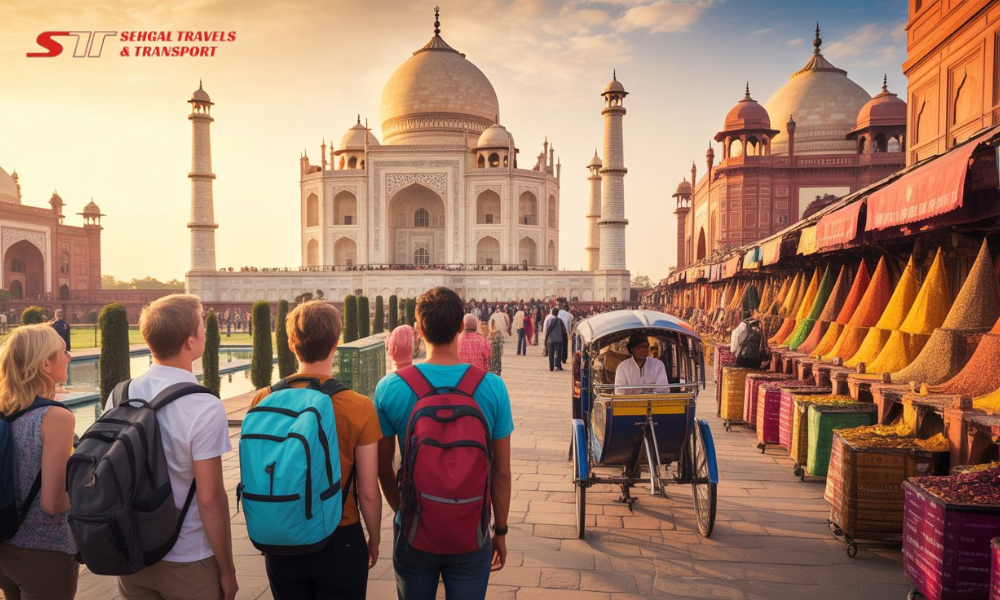
You can start your trip exploring the Mughal architecture in Delhi, with the stunning Red Fort and Jama Masjid. Two hours south, you’re standing in front of the Taj Mahal in Agra – one of the world’s most beautiful buildings (yes, it lives up to the hype). Head west to Jaipur, and you’re walking through pink-walled palaces and shopping in colorful bazaars.
Want mountains? Manali and Dharamshala offer you Himalayan views that rival anything in Nepal. Fancy beaches? Goa gives you that relaxed coastal vibe, while Kerala offers backwater experiences you literally cannot find anywhere else on Earth.
Spiritual experiences? Rishikesh and Varanasi will give you authentic yoga, meditation, and ancient rituals that have been practiced for thousands of years. Wildlife? Jim Corbett National Park and Ranthambore offer tiger spotting opportunities that beat most African safaris on price.
You see where this is going? One trip to India can feel like visiting five different countries.
Cultural Connections and Shared History
Here’s something that matters more than people admit: British travellers feel a certain connection to India. The shared history (complicated as it is), the fact that English is widely spoken, and the British influence visible in cities like Shimla and Kolkata make India feel less foreign than other Asian destinations.
You don’t need to worry as much about language barriers. Most hotels, restaurants, and tourist spots have English-speaking staff. The signs are in English. You can read the menu. This comfort factor shouldn’t be underestimated when you’re choosing where to spend your hard-earned holiday time.
One British traveller on a popular travel forum mentioned: “I felt more comfortable navigating India than I did in Japan, even though Japan is more ‘developed.’ I could communicate easily, ask for help, and actually understand what was happening around me.”
Instagram Changed Everything (Yes, Really)
Let’s talk about social media for a second. You know how powerful Instagram and TikTok are in shaping travel decisions. Well, India’s been absolutely crushing it lately.
The colorful streets of Jaipur photograph beautifully. The pink city walls, the Hawa Mahal, the Amber Fort – they’re Instagram gold. Kerala’s houseboats floating through green backwaters? Stunning content. The blue city of Jodhpur? Don’t even get me started.
British influencers and travel bloggers have been showcasing India differently than before. They’re showing the boutique hotels, the clean and modern cafes in Goa and Delhi, the yoga retreats in Rishikesh, and the adventure sports in Ladakh. This isn’t your grandfather’s dusty India documentary, this is vibrant, colorful, exciting content. Many travellers are now following India’s experiences on their travel’s Instagram page for inspiration.
And here’s the thing – it’s working. You see your favorite influencer having an amazing time in Udaipur, and suddenly you’re googling “Udaipur tour packages” instead of “Bali beach resorts.”
Post-Pandemic Priorities Shifted
The pandemic changed how we think about travel. You want experiences now, not just relaxation. You want to feel like you’ve actually done something, learned something, experienced something different.
India delivers on this in ways that pure beach destinations don’t. You can take a cooking class in Jaipur and learn to make authentic Rajasthani dishes. You can volunteer at an elephant sanctuary in Kerala. You can learn yoga from actual yogis in Rishikesh. You can watch traditional dance performances in Udaipur.
These aren’t tourist traps (well, some are, but you can find authentic ones too). These are real experiences that change how you see the world. And that’s what British travellers seem to want in 2026 – substance, not just sunshine.
Practical Travel Got Easier
Here’s something concrete: getting to India and around India has become much easier. More direct flights from London to Delhi, Mumbai, and even smaller cities mean less travel time. E-visa process? It’s online and takes less than a week usually.
Travel agencies Sehgal Travels and others have made planning Indian trips simpler. Sehgal Travels offer rental bus services for group travel, making moving between cities comfortable and convenient. You don’t need to figure out everything yourself anymore. We handle the confusing parts – the train bookings, the hotel selections in safe areas, the guided tours that actually show you the real India without the hassle. You don’t need to figure out everything yourself anymore.
The tourism infrastructure has improved too. Better roads connecting major cities, cleaner hotels even in smaller towns, more international food options if you need a break from curry, and better tourist facilities at major attractions.
The “Bucket List” Factor
Let’s be real – the Taj Mahal is on everyone’s bucket list. You’ve probably wanted to see it since you were a kid. But it’s not just about one monument anymore.
British travellers are realizing that India lets you tick off multiple bucket list experiences in one trip. See the Taj Mahal? Check. Ride an elephant in Jaipur? Check. Try authentic Indian food? Check. Witness a Ganga Aarti ceremony in Varanasi? Check. Take a yoga class in Rishikesh? Check.
Other Asian destinations might give you one or two major experiences. India gives you dozens. For the same price (or cheaper), you get way more stories to tell when you get home.
The Food Scene (Worth Its Own Section)
Can we talk about Indian food for a moment? British people already love Indian cuisine – it’s one of the UK’s favorite foods. But eating Indian food in Britain versus eating it in India? A completely different experience.
You get to taste regional variations you’ve never heard of. The Rajasthani dal baati churma in Jaipur. The Kerala fish curry in Kochi. The Amritsari kulcha in Punjab. The Goan fish thali. Each region has its own flavors, techniques, and signature dishes.
Food tours have become massive in cities like Delhi and Jaipur. You can spend an evening walking through old markets, trying street food that’s been made the same way for generations. And yes, it’s safe if you choose the right places – the busy stalls with high turnover are usually your best bet.
Where Things Might Go From Here
Looking ahead, I think this trend will continue, but with some shifts. More British travellers will probably explore lesser-known Indian destinations. Places like Hampi, Khajuraho, Darjeeling, and the Northeast states might see more UK tourists.
Sustainable and responsible tourism will likely become bigger. British travellers care about their environmental impact, and India’s tourism industry is slowly adapting to this. Eco-resorts in Kerala, sustainable hotels in Rajasthan, and community-based tourism projects are growing.
What’s still unclear? How India will handle this increased demand. Will the infrastructure keep up? Will popular spots become too crowded? Will prices rise significantly as demand increases? These are open questions.
Also unclear: whether other Asian destinations will win back British tourists by adapting their offerings or lowering prices. Competition in tourism is fierce, and things can change quickly.
My Final Thoughts
Here’s what I think is really happening: British travellers are choosing India because it offers an unbeatable combination of value, diversity, and depth of experience. You get more for your money, more to see and do, and more stories to bring home from cultural tours to winter trek and adventure opportunities in the Himalayas.
Is it the right choice for everyone? Probably not. If you want a simple, relaxing beach holiday with minimal cultural adjustment, Thailand or Bali might still be better options. But if you want adventure, culture, spirituality, history, food, and Instagram-worthy moments all rolled into one trip? India’s hard to beat in 2026.
The relationship between British tourists and India is evolving. It’s not about colonial nostalgia or exotic otherness anymore. It’s about genuine appreciation for what India offers as a travel destination – chaos and beauty, challenges and rewards, all mixed together into an experience you simply cannot replicate anywhere else.
Whether this trend continues or shifts again in the coming years remains to be seen. Travel trends can change fast. But for now, in 2026, if you’re British and planning an Asian holiday, there’s a good chance you’re at least considering India. And honestly? That makes a lot of sense.
Frequently Asked Questions
Q: Is India safe for British tourists?
A: Yes, major tourist areas like Delhi, Jaipur, Agra, and Goa are generally safe. Stick to well-travelled routes and book reputable hotels for a worry-free experience.
Q: How much budget is needed for a 2-week India trip?
A: India is affordable for all budgets. Mid-range travellers can enjoy comfortable hotels, good food, and guided tours. Budget and luxury options are also widely available.
Q: Which cities are best for first-time visitors?
A: The Golden Triangle (Delhi, Agra, Jaipur) is perfect for beginners. Add Udaipur for palaces, Rishikesh for mountains, or Goa for beaches depending on your interests.
Q: Do I need vaccinations for India?
A: Consult your GP, but hepatitis A and typhoid are typically recommended. Start the process 6-8 weeks before your trip.

Recent Posts
Why British Travellers Are Choosing India Over Other Asian Destinations in 2026
How to Plan a Ujjain, Omkareshwar & Indore Tour Circuit Efficiently