Exploring the Ajanta and Ellora Caves: Your Ultimate UNESCO World Heritage Journey
Have you ever thought about visiting a place that is more than 2,000 years old? A place where people carved beautiful temples inside mountains using just their hands and simple tools? Well, get ready because we’re going to talk about two amazing places in India – the Ajanta and Ellora Caves. These are not just old caves; they are like magic carved in stone.
What Makes These Caves So Amazing?
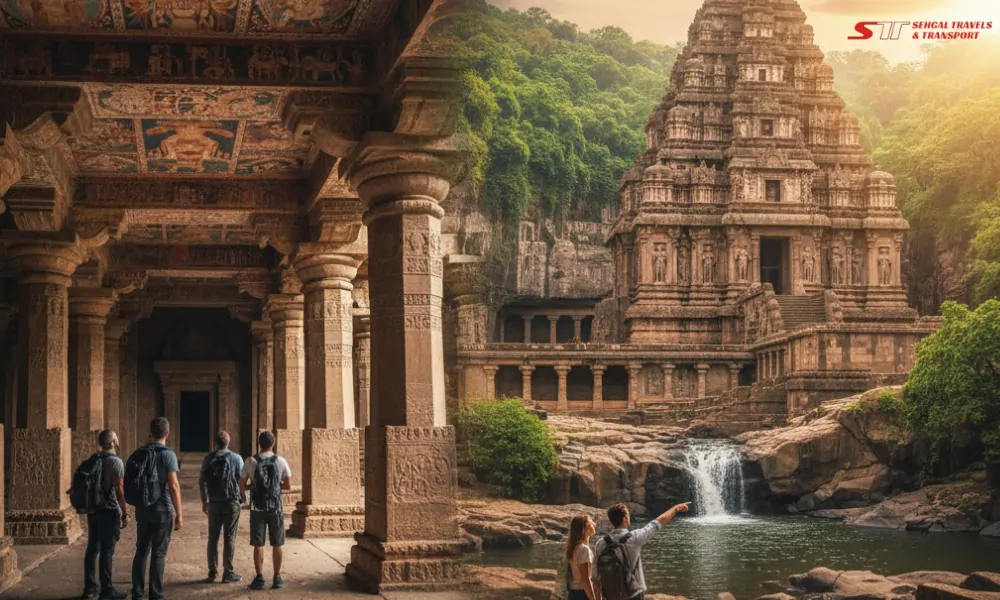
Think about this: You are standing in front of huge temples cut into a mountain in Maharashtra, India. The sun is hot outside, but inside these caves, it feels cool and peaceful. These caves were not made by nature – they were carved by Buddhist, Hindu, and Jain monks between 2,000 years ago and 1,500 years ago. Can you believe it? People made these beautiful places with just hammers and chisels!
The Ajanta Caves are like an old art museum. There are 30 caves with beautiful paintings and sculptures that are still there after so many years. Ellora is even more special with 34 caves showing three different religions together. It’s like a message of peace written in stone.
According to UNESCO, these places show “the best of Indian rock-cut buildings.” And yes, this is true! When you see the Kailasa temple at Ellora – a huge temple made from one big rock – you will know why people from Aurangabad, Pune, Mumbai, and even other countries come to see it.
Why So Many People Want to Visit Now
Here’s the interesting part: More and more Indian people are visiting these caves these days. After COVID-19, people realized they don’t need to go to other countries to see wonderful things. India has amazing places right here!
Social media platforms for travelers like Instagram and YouTube helped a lot too. You can see so many beautiful photos and videos from Ajanta Ellora caves online. Young people, history lovers, and families are all adding these Maharashtra places to their travel lists. The Archaeological Survey of India says many more people are visiting both places now.
But this trend isn’t just about clicking beautiful pictures. Travellers today want real, meaningful experiences. We’re tired of only shopping and eating at malls—we want to feel connected to something special. Exploring these ancient caves offers a rare chance to touch history up close. That’s also why many groups now book tempo traveller services, making it easier and more comfortable to explore Ajanta and Ellora together while turning the journey itself into part of the experience.
How to Get There: Simple Information
Okay, so you want to visit. What should you do? Let’s be honest – traveling in India can be a bit confusing if you don’t plan well.
Basic Location Details:
- Ajanta Caves are about 107 kilometers away from Aurangabad
- Ellora Caves are just 30 kilometers from Aurangabad city
- The nearest airport is Aurangabad Airport
- Aurangabad city is your main base for staying
Most people fly to Aurangabad or take trains from big cities like Mumbai, Pune, or Hyderabad. From there, you need to travel by road to reach the caves. This is where many people get confused – local buses and taxis can be tricky to manage.
Many smart travelers book with travel company-Sehgal Travels who know the roads, best timing, and can help with everything while you enjoy the trip. Having someone who knows which cave to see when (before too many people arrive) really helps a lot.
What You Will See at Ajanta
Imagine walking into Cave 1 at Ajanta. Your eyes take time to get used to the low light, and then – wow! – you see beautiful paintings of Buddha’s life all around you. These are not just old things; they tell amazing stories.
The paintings here are called frescoes, made using natural colors from plants and minerals. The amazing thing is how these colors stayed bright for over 1,500 years. People who study art say the artists used methods similar to famous European painters, but many years earlier!
Good tip: Try to visit Ajanta on weekdays if you can. Saturdays and Sundays get very crowded with people from Nashik, Pune, and other nearby cities. The caves are closed on Mondays, so keep that in mind.
One thing we wish we knew before – wear comfortable walking shoes. You will walk and climb a lot, and those old stairs are not easy to walk on! Also, you cannot take photos inside most caves to keep the paintings safe, so sometimes you just have to enjoy the moment and keep the memories in your mind (and take some photos outside).
The Ellora Experience: Three Religions, One Mountain
If Ajanta is like a peaceful art gallery, Ellora is like a grand show of amazing buildings. The most famous thing here is the Kailasa temple (Cave 16). Here’s a fun fact: this temple was carved from top to bottom. That means the workers started at the top of the rock and worked down. It took about 100 years and they removed around 200,000 tons of rock!
The Hindu caves (Caves 13-29) are big and full of detailed carvings of gods and goddesses. The Buddhist caves (Caves 1-12) are simpler but equally beautiful. The Jain caves (Caves 30-34) are smaller but have very fine details.
Helpful tip: The best time to take photos of Kailasa temple is early morning or late afternoon when the sunlight makes beautiful shadows on the carvings. People from Ahmednagar, Jalgaon, and other Maharashtra areas often come early to avoid the heat and crowds.
Things We Wish We Knew Before
Let’s be real for a minute. These places are very old, and that comes with some problems:
- Hard for some people to walk: Not all caves are easy to reach for people in wheelchairs. The ground is uneven, and there are stairs everywhere. If you are traveling with old people or anyone who has trouble walking, plan carefully.
- Not many food places: There are small restaurants and snack shops near both places, but don’t expect big meals. Carry water and some food, especially if you visit in summer when it gets very hot here.
- Should we hire a guide? This is up to you. Audio guides are available, and many people like to explore on their own. But a good local guide can show you things you might miss – like hidden meanings in paintings or the best places to take photos.
- Too many people sometimes: The best months to visit (October to March) bring tourists from Delhi, Kolkata, Bangalore, and other countries. While it’s nice to see so many people enjoying these places, the smaller caves can feel very crowded.
The Effect on Culture and Today’s Problems
Here’s something to think about: How do we keep these places safe while letting people visit? People who protect old buildings say that more visitors means more damage. The wetness from people’s breath, camera lights (before they stopped allowing them), and people touching the walls have all hurt these old paintings.
The Archaeological Survey of India has made some rules – they limit how many people can visit each day, stop photography inside, and do regular cleaning and repair work. But as someone who loves travel, we wonder: Are we loving these places so much that we’re hurting them?
A local guide we met near the Ellora Caves shared a thought-provoking insight: “These caves survived for centuries when hardly anyone paid attention to them. Today, they face the challenge of too much love and attention.” It’s a powerful reminder that responsible tourism matters, and every visitor and every tour and travel company has a role to play in preserving these timeless heritage sites for future generations.
More Than Just Caves: Other Things to See
While you’re in the Aurangabad area, there are more things to see:
- Bibi Ka Maqbara: People call it the “small Taj Mahal,” this beautiful tomb is worth seeing
- Daulatabad Fort: A 600-year-old fort with cool buildings and history
- Local markets: Check out Aurangabad’s famous Himroo shawls and Paithani sarees
- Food: Don’t leave without trying local dishes like naan khaliya or tahiri
Many people from Nagpur, Solapur, and other Maharashtra cities make a 3-4 day trip combining all these places. It gives you a better picture of the area’s rich past.
What Other Travelers and Experts Say
We’ve been reading travel websites, Facebook groups, and review sites to know what people really think. Here’s what they say:
“The Ajanta paintings are beyond words. Photos cannot show how beautiful they really are,” writes someone from Indore on a travel blog.
Another visitor from Bhopal says, “We booked a good travel service and it made everything easy and stress-free. The driver knew exactly when to reach which cave to avoid crowds.”
But not everyone is happy. Some visitors from Thane and Navi Mumbai said there are not enough information boards in English and Hindi at some caves. Others said the ticket buying process could be easier.
What’s Next for These Heritage Sites
So what happens now? More and more people are visiting Ajanta and Ellora caves – this trend is not stopping. In fact, the Maharashtra government is trying hard to bring more tourists to these places.
There are plans to make things better around these sites – better roads from Aurangabad, more parking space, and better visitor facilities. Some ideas include:
- Virtual reality experiences so fewer people touch the fragile areas
- Better lights that show the art without causing damage
- Better crowd control through online advance booking
- School trips from Pune, Mumbai, and nearby areas
The hard part is doing all this without making these spiritual and historical places too commercial. It’s not easy, honestly.
Climate change is another worry we can’t ignore. More rain and temperature changes can hurt the rock buildings and paintings. Scientists are studying these problems, but we still don’t fully know how to protect these places in the long run.
Personal Thoughts: Why This Trip Matters
Here’s the thing – we live in a fast world today. We scroll through hundreds of photos every day, barely stopping to really look at anything. Visiting Ajanta and Ellora caves makes you slow down. You can’t rush through a 1,500-year-old painting. You need to sit, look at the small details, and let it talk to you.
What touches our heart most is the human story behind these caves. Think about those monks and artists who spent their whole lives making something not for fame or money, but for their faith and love of art. In our modern world where everyone wants to become famous quickly, there’s something really beautiful about that kind of hard work and patience.
We don’t have all the answers about the future of heritage tourism. There are real worries about too many tourists, damage to the environment, and keeping these places safe. But we also believe that these sites should be visited, celebrated, and protected for people who come after us.
As travelers from all over India – whether you’re from Hyderabad, Chennai, Jaipur, or anywhere else – when we visit these places, we’re not just tourists. We’re guardians of our shared history, even if just for one day.
Final Thoughts: What Lies Ahead
The trend of visiting UNESCO World Heritage sites like Ajanta and Ellora caves is about more than just travel. It’s about connecting with our roots, understanding where we come from, and respecting the amazing work of people who lived before us.
Will these caves survive another thousand years of weather changes and people visiting? We honestly don’t know. What we do know is that right now, we have the chance to see something truly special.
The talk around heritage tourism is changing. We’re becoming more aware of how our visits affect these places, asking for better protection, and wanting real experiences instead of fake ones. That’s good news.
What we still don’t know is how we’ll balance letting people visit while keeping these places safe, and how we’ll develop tourism while protecting our culture. These are hard questions without simple answers, needing talks between government, protection experts, local people, and us – the travelers.
If you’re planning this journey, our advice is simple: go—but go responsibly. Travel mindfully, support local guides and services, follow all preservation rules, and take the time to truly absorb the history around you. For group journeys, many travelers even opt for organized road travel options like volvo bus on rent, making the trip comfortable while reducing individual vehicle impact.
These caves have seen kings and kingdoms come and go, survived hundreds of years of monsoons, and continue to tell their stories. Let’s make sure they can keep telling them for hundreds of years more.
Frequently Asked Questions
Q1: What is the best time to visit Ajanta and Ellora Caves?
A: The best time to visit is between October and March when the weather is nice and cool, perfect for walking around. Summer months (April-June) can be very hot in Maharashtra, making it hard to explore the caves.
Q2: How much time do we need for visiting both cave places?
A: You need one full day for Ajanta Caves (about 4-5 hours) and another full day for Ellora Caves (about 5-6 hours) to see everything without rushing. Many people from Aurangabad and nearby cities prefer to visit across two days.
Q3: Are there bathrooms and food available at the cave sites?
A: Yes, both places have basic things like drinking water, bathrooms, small eating places, and gift shops. But the options are limited, so it’s good to carry your own water bottle, snacks, and sunscreen. Parking space is available for cars and buses.
Q4: Can we take photos inside the caves?
A: No, photography is not allowed inside most caves to protect the old paintings and carvings from camera light damage. But you can take photos of the outside buildings and surrounding areas. Always check the rules before entering each cave.
Planning your heritage trip to Ajanta and Ellora Caves? Choose Sehgal Travels for good travel help and local knowledge to make your UNESCO World Heritage experience truly special.

Recent Posts
Exploring the Ajanta and Ellora Caves: Your Ultimate UNESCO World Heritage Journey

Why People Prefer Travel Ujjain for Authentic Mahashivratri Experiences