Hemkunt Sahib Travel Guide: History, Trek, Route, and Essential Tips
Are you planning a trip to Hemkunt Sahib but feeling worried about the long walk and high mountains? Many people wonder if they are fit enough for this journey. They also worry about the cold weather, how to get there, and where to stay. The high mountain air can make people feel sick, and the steep walking paths can look very scary at first.
This travel guide will answer all your questions. We will use simple words to explain everything you need to know about the history, the walking path, the road map, and easy tips for a safe trip.
What is Hemkunt Sahib?
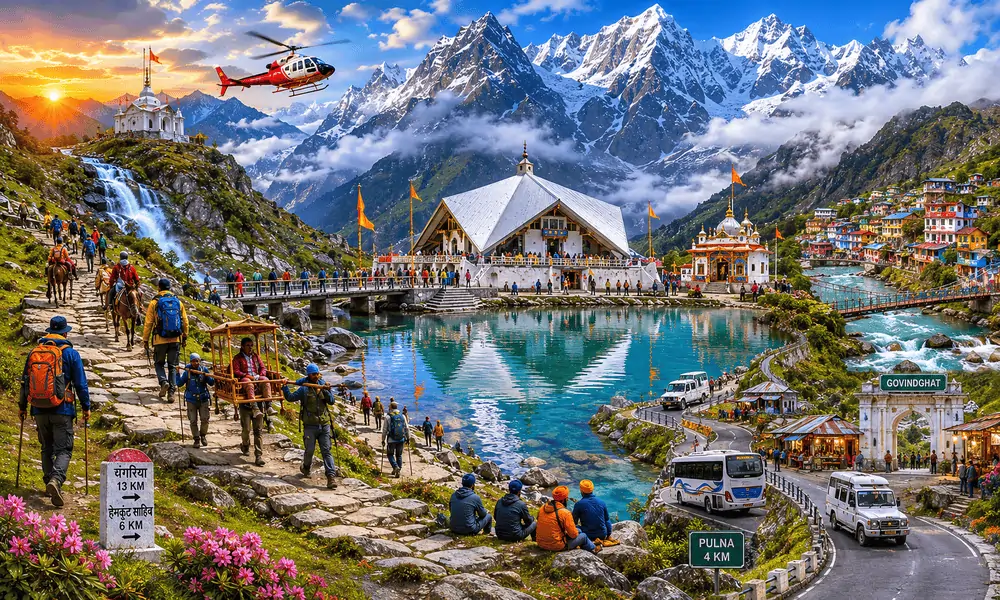
Hemkunt Sahib is a very holy place of worship for Sikh people. It is located in the high mountains of Uttarakhand, India. The main building is called a Gurdwara, and it sits next to a beautiful lake made of melted ice.
The word “Hemkund“ means a bowl of snow. The water here is very clean, clear, and cold.
Key Facts About the Location:
- Super High Altitude: The holy building sits very high up at about 4,329 metres above sea level.
- Seven Peaks: It is surrounded by seven big, beautiful mountain peaks covered in white snow.
- Nishan Sahib: Each mountain peak has a yellow Sikh flag standing on top of the rock.
Why It Matters to Visitors: This place is important because it is one of the highest holy places in the world. People come here because the air feels deeply peaceful and calm. It is a place where you can forget your daily stress and feel happy inside. Trekkers also love this place because the mountain views are grand and spectacular.
If you are planning a large family or community trip, booking a dedicated mini bus Hemkunt travel package right from the start is the most convenient way to keep everyone together and well-rested before the hard physical work begins.
The Special History of Hemkunt Sahib
The story of this high mountain lake goes back hundreds of years. The most important details come from a holy Sikh book called the Dasam Granth.
In this book, the tenth Sikh Guru, named Guru Gobind Singh Ji, wrote about his past life. He said he sat next to a lake surrounded by seven snow mountains to pray to God for a very long time. For many years, nobody knew where this exact place was hidden. The high mountains kept it a secret.
The Journey of Discovery
- The Search (Early 1900s): A Sikh scholar named Sant Sohan Singh decided to find this holy spot. He walked through the high hills and talked to local people.
- The Discovery (1934): He finally found the lake! It looked exactly like the one described in the holy book.
- The First Gurdwara: Soon after, the first small stone building was made so people could visit and pray.
Connection with Ancient Stories
Local people in India also believe that Lakshmana (the younger brother of Lord Rama from the famous ancient story Ramayana) came to this same lake. The story says he sat by the water to pray and heal his body after he was hurt in a big war. There is a small Hindu temple next to the Gurdwara to remember him.
Planning Your Journey: When to Go?
You cannot visit Hemkunt Sahib all year long. The winter weather is very harsh, and heavy snow covers the whole area with thick white ice. The roads and walking tracks become completely blocked.
The Golden Window: The doors of the holy building open only in late May and close around early October.
| Season | Weather & Trail Conditions | Why You Should (or Shouldn’t) Go |
| May to June | Cool and crisp. Lots of white snow on the sides of the track. | Very busy time! Great if you want to see glacier snow. |
| July to August | Rainy season. Tracks can be muddy and slippery. | Beautiful views! The famous Valley of Flowers nearby blooms with bright colours. |
| September | Bright blue skies, fresh air, and dry tracks. | Best Choice! The rain stops, less crowded, and perfect for walking. |
How to Get There: The Travel Route
The journey to Hemkunt Sahib starts from the main towns in the state of Uttarakhand, India. You will need to travel by vehicle first, and then walk on foot.
Step 1: Reaching the Base Towns
- The Start: Most people start their trip from the city of Haridwar or Rishikesh. You can get to these cities easily by train or car from Delhi.
- The Mountain Drive: From Rishikesh, you will take a long, winding road trip by bus or taxi to a small town called Govindghat. This drive is about 275 kilometres long and takes around 9 to 10 hours because the mountain roads require slow, careful driving. If you are travelling with a small family group, hiring a comfortable Tempo Traveller 12 seater is a highly recommended choice for this long hill drive.
Step 2: The First Walk to Ghangaria
- The Short Drive: From Govindghat, you can take a local car for a short 4-kilometre drive to a tiny village called Pulna. This is where the actual walking track starts.
- The Base Camp Trek: From Pulna, you must walk uphill for 13 kilometres to reach a village named Ghangaria. This is the main base camp with small hotels, budget guest houses, and big tents. Everyone stays the night here.
Step 3: The Steep Climb to the Holy Lake
- The Final Push: The next morning, you will start the final walk from Ghangaria to Hemkunt Sahib.
- The Distance: This walk is only 6 kilometres long, but it is very steep. It usually takes about 3 to 5 hours of walking to reach the top.
For much larger community groups or big Sangat yatras making the journey from Delhi, renting a luxurious and large 57-seater Volvo bus provides the ultimate comfort and legroom for the long highway route.
Step-by-Step Guide for the Trek
Walking in the high mountains can be hard if you do not know what to expect. Here is how to complete the walk safely:
Day 1: Walk from Pulna to Ghangaria (13 km)
Start your walk early in the morning. The path is made of stone blocks and follows a rushing grey river. The path climbs slowly through green trees. Take small steps and do not run. There are many small shops along the way selling water, tea, and biscuits if you need a break.
Day 2: The Climb up to Hemkunt Sahib (6 km)
Wake up early in Ghangaria. The path opens around 6:00 AM. This track is much steeper than the first day. As you walk higher, the big trees will disappear, and you will see grey rocks and patches of white snow.
Smart Tip: If your legs hurt, you can use the stone stairs. There are over 1,000 steps that go straight to the top. It is shorter but harder on your knees. Most people prefer the winding path because it is less steep.
Important Rule: There are no hotels or places to sleep at the holy lake because the afternoon weather can turn dangerously cold and windy. The doors close early, and everyone must start walking back down to Ghangaria by 2:00 PM.
Essential Travel Tips for Your Bag & Body
To make sure your trip is happy and safe, follow these practical rules:
Golden Rules for Health & Finance:
- Get Your Medical Check: See a doctor before you leave home to check your heart and lungs.
- Complete Online Registration: The local government requires all visitors to register online. Keep a printed copy with you.
- Carry Indian Cash: Small tea shops and pony riders do not take cards. There are no cash machines in Ghangaria.
- Walk Slowly & Hydrate: Drink water constantly. Walking slowly helps your body handle the thin mountain air.
Quick Packing Checklist:
- Warm Clothes: A thick jacket, gloves, and a woollen beanie hat.
- Rain Gear: A light plastic raincoat or umbrella (mountain rain starts suddenly).
- Footwear: Good walking shoes with a rough rubber bottom for grip.
- Snacks: Water bottle, almonds, raisins, or glucose biscuits.
- First Aid: Personal medicines and tablets for headaches or stomach upsets.
Easy Options for Elderly or Unfit Visitors
If you cannot walk long distances due to age, knee pain, or health issues, do not worry! You can still reach the top using these options available on the track:
- Ponies and Mules: You can hire a horse at Pulna or Ghangaria. A handler will guide the animal while you sit safely on its back.
- Palkis (Wooden Chairs): A Palki is a small wooden chair carried by four strong local men. It is a very smooth ride up the hill.
- Porters: If you can walk but your bag is too heavy, you can hire a single porter to carry your backpack.
- Helicopter Flights: There is a quick helicopter service that flies from Govindghat to Ghangaria. It takes only 5 to 7 minutes! Note: They do not fly if the weather is rainy or foggy.
Great Benefits of Visiting This Mountain Shrine
Taking this trip brings many wonderful rewards for your mind and body:
- Peaceful Mind: Sitting quietly inside the beautiful white Gurdwara while listening to soft spiritual music helps calm all your mental stress.
- Healthy Body: Walking in the pure mountain air is excellent exercise for your heart and leg muscles.
- Amazing Views: You get to see massive snow mountains, clear blue lakes, and green valleys that look like a postcard.
- Inner Strength: Completing a hard physical walk gives you great confidence. You feel proud that you achieved something difficult!
Common Mistakes to Avoid
Many travellers make simple mistakes that can spoil their trip. Here is what you should avoid:
- Speed Walking: Do not walk fast on Day One. It tires your muscles too quickly, making you too sore to climb the next day.
- Brand-New Shoes: Never wear brand-new shoes for a long walk. They are stiff and cause painful skin blisters. Use shoes you are already comfortable with.
- Ignoring Headaches: A headache in the mountains is a warning sign of altitude sickness. Do not ignore it. Rest, drink water, and inform others.
- Overpacking: Carrying a heavy bag causes unnecessary back pain. Keep it light!
Frequently Asked Questions
Q: How long is the total walk to Hemkunt Sahib?
A: The total walk from the starting village of Pulna to the holy lake is 19 kilometres long. It is split into two parts: a 13-kilometre walk to Ghangaria base camp, followed by a steep 6-kilometre walk to the top.
Q: Can children and elderly people visit this holy place?
A: Yes, people of all ages can visit. If children or elderly family members cannot walk the steep trails, you can hire horses, wooden chairs carried by local porters, or take a short helicopter flight from Govindghat.
Q: Is there a mobile phone network available during the trek?
A: The mobile network is very limited. You might get a basic signal in Govindghat and Ghangaria towns, but the connection can drop frequently. There is usually no network at the holy lake itself.
Q: What should I do if I find it hard to breathe during the walk?
A: Stop walking immediately and sit down to rest. Drink some warm water and take slow, deep breaths. If you do not feel better after resting, use a small portable oxygen can or start moving down towards Ghangaria, where the air is thicker.
Q: Is it safe to travel to the shrine during the rainy months?
A: It is possible to travel, but you must be very careful. Heavy rain in July and August can cause rocks to fall onto the roads. Always check the local weather news before starting your road trip.
Conclusion
A journey to Hemkunt Sahib is a beautiful mix of mountain adventure and deep spiritual peace. While the steep walking tracks and cold air can be testing, proper planning makes the trip smooth and highly rewarding. Take your time, walk at a comfortable pace, pack your warm clothes, and enjoy the breathtaking views of the giant snow peaks. If you want a comfortable and well-planned trip to this sacred Himalayan destination without any transport worries, you can book your tour package through Sehgal Travels.

Recent Posts

12 Seater vs 16 Seater Tempo Traveller Which One Should You Hire?

What Is the Best Vehicle to Hire in Delhi for a Vrindavan Family Trip?