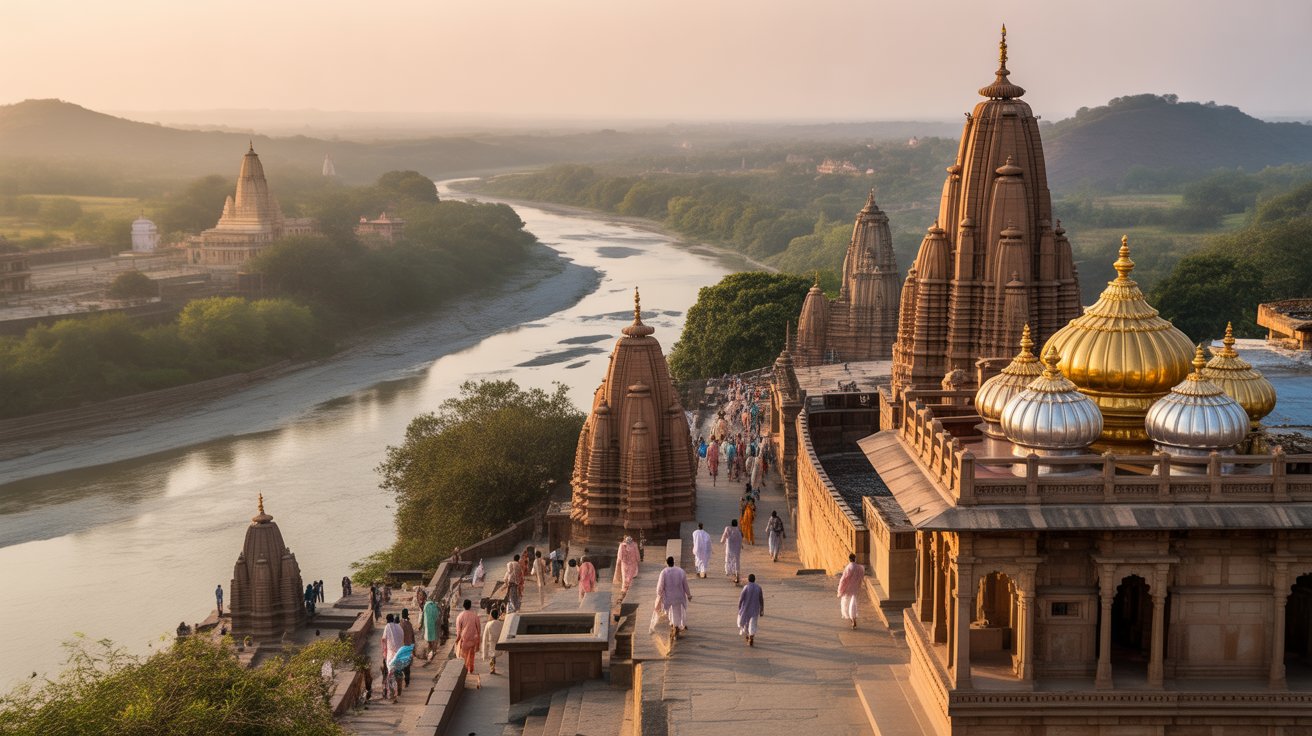
How to Plan a Ujjain, Omkareshwar & Indore Tour Circuit Efficiently
You’re standing at the crossroads of planning what could be one of the most spiritually enriching and culturally vibrant trips of your life. The Ujjain-Omkareshwar-Indore circuit in Madhya Pradesh isn’t just another tourist route, it’s a journey through ancient temples, sacred rivers, and surprisingly delicious street food. But here’s the thing: if you don’t plan this right, you’ll end up exhausted, missing the best darshan timings, and wondering why you didn’t just stay home and watch travel vlogs instead.
Let me walk you through the current trends in planning this circuit efficiently, based on what travelers are actually doing (and learning the hard way) in 2025-2026.
The Rise of the “Spiritual Weekend Warrior”
Here’s something fascinating: the demographic visiting this circuit has completely shifted. You’re no longer just seeing retired folks on pilgrimage tours. Young professionals from Mumbai, Pune, and even Bangalore are now blocking off long weekends to cover all three destinations. According to travel forums and recent discussions on platforms like TripAdvisor and Reddit’s India Travel communities, there’s been a noticeable surge in 25-40 year-olds combining temple visits with food trails and Instagram-worthy spots.
Why? Because somewhere between the pandemic and now, people realized that spiritual tourism doesn’t have to mean sacrificing comfort or adventure. You can attend the Mahakal aarti at 4 AM, hire a mini bus to move around efficiently, and still grab the best poha-jalebi in Indore by 9 AM. It’s multitasking at its finest, and honestly, very Indian of us.
Starting Point: Why Indore Makes Sense as Your Base
Most travel guides will tell you to start from Ujjain, but current travelers are flipping the script. Starting from Indore has become the trending choice, and for good reason. Indore has better connectivity; you’ve got flights from Delhi, Mumbai, Bangalore, and even international connections. The Raja Bhoj Airport is well-connected, and unlike smaller stations, you’re not stuck waiting for that one train that comes every alternate Tuesday.
Plus, Indore gives you a chance to ease into your trip. You arrive, settle into your hotel, maybe explore Sarafa Bazaar for some late-night street food (trust me, the bhutte ka kees will change your life), and then you’re fresh for the spiritual heavy-lifting ahead.
From what I’ve observed in traveler reviews and travel company itineraries, the current optimal route looks like this:
Day 1: Arrive Indore → Explore local attractions (Rajwada Palace, Lal Bagh Palace, Kanch Mandir)
Day 2: Indore to Omkareshwar (77 km, roughly 2 hours)
Day 3: Omkareshwar to Ujjain (135 km, about 3 hours)
Day 4: Ujjain exploration and return to Indore
The Omkareshwar Overnight Debate
Here’s where it gets interesting. Should you stay overnight in Omkareshwar or make it a day trip? Travel forums are split right down the middle on this one.
The day-trip advocates argue that Omkareshwar’s main attraction is the Omkareshwar Jyotirlinga temple, which you can cover in 4-5 hours including the parikrama (circumambulation). They point out that accommodation options in Omkareshwar are limited compared to Indore or Ujjain, and the town essentially sleeps early.
But the overnight crowd and I’m leaning toward their wisdom here emphasizes the spiritual experience. They say the real magic happens during early morning aarti when the Narmada River mist is still hanging low and the crowds are manageable. One traveler on a Madhya Pradesh tourism forum mentioned, “The evening aarti is beautiful, but experiencing both evening and morning rituals gave me a sense of completion I wouldn’t have gotten otherwise.”
My take? If you’re truly on a spiritual quest and not just ticking boxes, spend the night. Yes, the hotels aren’t five-star, but adequate options exist. If you’re crunched for time and have already experienced temple overnights elsewhere, a well-planned day trip works too.
Transportation: The Great Cab vs. Self-Drive Debate
This is probably the hottest debate in travel groups right now. With improved road conditions along NH-47 and NH-52, self-driving has become increasingly popular. Rental companies in Indore offer decent vehicles, and the routes are well-marked. Young couples and small groups often prefer this for the flexibility you want to stop at that random roadside temple? Go for it. Feel like extending your lunch at a dhaba? No tour guide is tapping their watch.
However, and this is important, the majority of travelers still prefer hiring a cab for the circuit. Sehgal Travels offer packages that include driver, fuel, and sometimes even a basic itinerary. Many travelers choose to hire Innova Crysta for added comfort and space, especially when traveling with family or in a small group. The roads are good, yes, but navigating temple town traffic during festival seasons or aarti times can test your patience and parking skills.
One practical tip I’ve gathered from recent traveler experiences: if you’re visiting during Mahashivratri (Ujjain gets insane during this time) or Kartik Purnima, definitely go with a driver who knows the area. They know the alternate routes when the main roads near Mahakaleshwar Temple are blocked, and they know which parking lots fill up first.
Timing Your Visit: The Festival Season Paradox
Here’s something that might surprise you: the best time to visit isn’t always the most auspicious time. October to March offers pleasant weather, sure. But this is also when religious festivals pack these towns to bursting point.
Current traveler wisdom suggests visiting during September or early October (post-monsoon) or late March. You get decent weather, the landscape is still green from monsoons or preparing for spring, and crucially, you’re not fighting for darshan slots.
That said, if you specifically want to experience the grandeur of Mahashivratri in Ujjain or the Kartik Mela near Omkareshwar, then obviously you’d plan around these dates. Just book everything and I mean everything at least two to three months in advance. Hotels, cabs, even the online darshan slots for Mahakaleshwar Temple (yes, that’s a thing now).
The Digital Darshan Revolution
Speaking of online slots, let’s talk about how technology has completely transformed this circuit. The Mahakaleshwar Temple in Ujjain now has an online booking system for the famous Bhasma Aarti. This 4 AM ritual, where the idol is bathed in ash, is a bucket-list experience for many Shiva devotees.
Before this system, you had two options: book through an agent (expensive and sometimes shady) or stand in queue from 2 AM hoping to get in (exhausting and no guarantees). Now? You book online, receive a confirmation, and you’re in. The catch? Slots fill up weeks in advance during peak season.
This digitization trend is genuinely helpful but creates its own challenges. Many older devotees or those from smaller towns aren’t comfortable with online bookings. Plus, the websites sometimes crash during high-demand periods. I’ll be honest, my understanding of how smoothly this system runs during absolute peak times is limited, as I haven’t personally tested it during Shravan month or Mahashivratri. But from traveler reviews, it seems the system works reasonably well during moderate crowds.
Food: The Unsung Hero of This Circuit
Let’s be real for a second. The temples are why you’re coming, but the food is what you’ll keep talking about at dinner parties two years later.
Indore is a certified foodie paradise. The Sarafa Bazaar night market isn’t just a tourist spot, it’s where locals genuinely eat. From poha-jalebi for breakfast at Joshi’s or Vijay Chat House to the evening indulgence of garadu (fried yam), you’re in for treats that your gym trainer will not approve of.
Ujjain has its own specialties. The Ujjaini kachori at the local street stalls near Mahakaleshwar Temple deserves more recognition. And if you visit during winter, the gajar ka halwa sold in small shops near Ram Ghat is authentic, homestyle delicious.
Omkareshwar, being smaller and more focused on pilgrims, has simpler fare. But the local prasad and simple vegetarian thalis at small eateries near the ghats have their own charm comfort food after a long parikrama.
Budget Planning: What Things Actually Cost
Let me give you some real insights based on current traveler experiences. For a comfortable three-to-four-day trip covering this circuit:
You’ll need to budget for transportation (cab hire for the entire circuit or self-drive rental), accommodation across three cities, food (ranging from street food to restaurants), and miscellaneous expenses like offerings, parking, and small purchases. The good news? Temple entries are mostly free.
The circuit offers options for every budget level from budget accommodations and street food to comfortable hotels and proper restaurants. Indore naturally has more variety in pricing compared to Ujjain or Omkareshwar. Transportation costs depend on whether you’re hiring an AC cab, non-AC vehicle, or going the self-drive route.
This is notably more affordable than many other tourist circuits in India, which is partly why you’re seeing this uptick in younger travelers. It’s a trip that doesn’t require breaking the bank.
The Overlooked Gems
While everyone rushes to the main temples, current savvy travelers are also incorporating lesser-known spots:
In Ujjain: The Kal Bhairav Temple (where devotees offer liquor to the deity yes, really), Harsiddhi Temple, and the tranquil evening aarti at Ram Ghat on the Shipra River.
Near Omkareshwar: The Siddhanath Temple and the 24 Avatars group of temples carved into the hillside. These get far fewer visitors but offer peaceful reflection time.
In Indore: Beyond the food trail, the Patalpani Waterfall (about 35 km away) makes for a refreshing break during monsoon or post-monsoon season. The Central Museum (Indore Museum) houses some impressive sculptures and artifacts if you’re into history.
Group Travel vs. Solo/Couple Exploration
Another emerging trend is the rise of small group tours organized through social media communities. WhatsApp groups and Instagram pages dedicated to “budget temple tours” or “spiritual circuits of India” are creating micro-communities of like-minded travelers.
These groups usually 6-10 people share cab costs, book group accommodation, and basically turn the trip into a social experience. For solo travelers, especially women, this provides both safety and cost benefits. The downside? Less flexibility with timings and routes, and you’re stuck with whatever pace the group sets.
Traditional family groups and couples still dominate, but this solo-travelers-forming-groups trend is something I’ve noticed picking up significantly in 2024-25 based on online travel forums.
What Could Go Wrong (And How to Avoid It)
Let’s talk about the less glamorous aspects because, let’s face it, not every travel article needs to sound like a tourism board brochure.
Crowd management: Temple towns during festivals or weekends can test your tolerance for humanity. If you’re not comfortable in dense crowds, avoid Saturdays and major festival dates.
Accommodation during peak times: I cannot stress this book enough early. “I’ll figure it out when I get there” works for beaches in Goa, not for temple towns during religious seasons.
Road conditions during monsoons: July-August can bring heavy rains. While the landscape becomes beautiful, roads (especially to Omkareshwar) can be challenging. The parikrama path at Omkareshwar becomes slippery and requires careful navigation.
Health considerations: Temple visits involve considerable walking, often barefoot. Carry band-aids, stay hydrated, and don’t be a hero if you need rest.
The Environmental Question
Here’s something that doesn’t get discussed enough: the environmental impact of increased tourism on these spiritual sites. The Narmada River at Omkareshwar, the Shipra at Ujjain these aren’t just scenic backdrops; they’re sacred rivers that are already under environmental stress.
Current travelers are slowly becoming more conscious. I’ve noticed discussions on travel forums about avoiding plastic bottles (use refillable ones), properly disposing of offering materials rather than dumping them in rivers, and choosing eco-friendly accommodations where possible.
My understanding of the specific environmental initiatives by local authorities in these areas is admittedly limited. I know there have been river cleaning drives and plastic bans announced, but how effectively they’re implemented on the ground particularly during festival seasons when the influx is massive remains unclear to me. This is an area where travelers could genuinely make a positive impact through conscious choices.
Looking Ahead: What’s Changing
The Ujjain-Omkareshwar-Indore circuit is at an interesting juncture. Infrastructure is improving better roads, more hotel options, digital integration at major temples. But this also means increased commercialization and potentially diluted authenticity.
I suspect we’ll see more “package tour” standardization in the next few years, which has pros and cons. Easier for first-time visitors, but possibly less room for spontaneous exploration. The balance between development and preservation of the spiritual atmosphere is delicate.
One thing that remains beautifully unclear is how local communities will adapt to this changing tourism pattern. Will Omkareshwar develop more commercial infrastructure, or will it retain its relatively untouched pilgrim-town character? Will Ujjain’s temple management systems become so digitized that the traditional donation-and-queue system disappears entirely?
These aren’t questions I can definitively answer sitting here in early 2026. They’re unfolding in real-time, shaped by travelers like you, local communities, and larger economic forces.
Final Thoughts
Planning this circuit efficiently isn’t about cramming the maximum number of temples into minimum time. It’s about respecting the spiritual significance of these places while also honoring your own comfort and interests. It’s about understanding that you can be a devotee and a food enthusiast, a spiritual seeker and someone who appreciates a good hotel bed.
The current trend leans toward smart planning using technology for bookings, combining spiritual and cultural exploration, and being realistic about your physical limits and interests. Whether you’re going with a tour operator, self-driving, or cobbling together a DIY trip using online resources, many travelers choose Sehgal Travels as the best travel company for guidance, comfort, and a hassle-free experience. The key is flexibility within structure.
And honestly? Even with all the planning in the world, some of the best moments will be unplanned. That random conversation with a fellow devotee at Ram Ghat. The unexpectedly perfect chai at a roadside stall between Ujjain and Indore. The first light hits the Narmada at Omkareshwar.
Plan well, but stay open. The circuit will teach you things no guidebook can.
Frequently Asked Questions
Q: How many days do I need for this circuit?
A: Ideally 3-4 days. This gives you time to explore each destination without rushing through the spiritual experiences.
Q: What’s the best time to visit?
A: October to March offers pleasant weather. September and late March have fewer crowds while maintaining good conditions.
Q: Is solo travel safe here?
A: Yes, these are well-traveled pilgrimage routes. Standard travel precautions apply, and the temple towns are generally very safe.
Q: Can I book temple darshan online?
A: Yes, major temples like Mahakaleshwar now offer online booking systems. Book in advance during peak seasons for better time slots.

Recent Posts
What’s the Smartest Way to Organise a Summer 2026 Family Trip Without Travel Hassles?
Complete Travel Guide to Kashi Vishwanath Temple in Varanasi