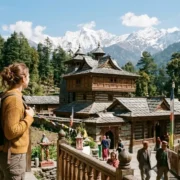
What Makes Darjeeling, Sikkim & Meghalaya So Mysteriously Beautiful?
When you first see images of Darjeeling, Sikkim, and Meghalaya online, something feels different. These aren’t the polished, Instagram-perfect destinations that dominate travel feeds. Instead, you’re drawn into misty valleys, cascading waterfalls hidden in dense forests, and landscapes that seem almost untouched by modern tourism. This shift toward these northeastern Indian gems represents one of the most interesting travel trends happening right now and it’s worth understanding why you and millions of others are becoming enchanted with these places.
The Shifting Gaze: Why You’re Looking Northeast Now
You’ve probably noticed that travel conversations have changed. Where people once talked only about Goa, Kerala, and Rajasthan, now they’re mentioning places like Gangtok, Cherrapunji, and the Toy Train journey. This isn’t accidental. You’re witnessing a democratization of travel, better internet, cheaper flights, and platforms like Instagram have exposed these hidden regions to a global audience that was previously unaware they even existed.
The northeastern states are experiencing what you might call “discovery tourism.” Your friends are going there because they want something authentic, something that doesn’t feel mass-produced. You’re tired of crowded tourist circuits and standardized hotel experiences. Darjeeling, Sikkim, and Meghalaya offer you the opposite: genuine hospitality, untouched landscapes, and the feeling that you’re part of a select group who truly “discovered” something special.
The Darjeeling Enigma: Why You Keep Coming Back
When you visit Darjeeling, you’re not just traveling to a hill station, you’re entering a living museum. The colonial architecture, the British-era Toy Train, the sprawling tea gardens that still operate using century-old methods: these create a time capsule feeling that’s increasingly rare.
But here’s what you might not immediately understand: Darjeeling’s beauty isn’t just visual. When you sip Darjeeling tea on a misty morning while watching the Kanchenjunga peak emerge from clouds, you’re experiencing what the region has perfected a sensory journey. The rolling hills of tea plantations aren’t just pretty; they’re aromatic, they’re cultural, they’re deeply connected to identity. You realize that the “mystery” people talk about is partly this: the landscape doesn’t just show you something; it makes you feel something.
The Toy Train represents another layer of this appeal. You know it’s expensive and takes hours, yet you do it anyway. Why? Because riding this narrow-gauge heritage railway forces you to slow down something you rarely do in your normal life. Every curve, every tunnel, every loop (especially the famous Batasia Loop) reminds you that sometimes the journey genuinely matters more than the destination. Whether you opt for luxury transport services via private vehicles between sites or choose to experience the heritage journey itself, the transition between destinations in Darjeeling becomes part of your story unhurried and deeply connected to the landscape surrounding you.
Sikkim’s Spiritual Magnetism: What You Feel But Can’t Quite Explain
If Darjeeling is about colonial charm and tea culture, then Sikkim is about something more primal. When you reach Gangtok or venture toward the high-altitude lakes, you’re entering a landscape so dramatic that it almost feels sacred. And that’s not you being poetic Sikkim has an actual Buddhist spiritual presence that infuses the region.
You’ll notice something interesting if you stay in Sikkim for a few days: the landscape changes your mood. Tsomgo Lake (also called Changu Lake) sits at 12,400 feet, and when you stand there, surrounded by mountains and silence, you understand why locals call such places sacred. The water reflects the sky so perfectly that your brain struggles to distinguish where one ends and another begins. That disorientation, that sense of existing between reality and dream is what drives people back to Sikkim repeatedly.
Here’s what you might not know: this spiritual dimension has made Sikkim the testbed for sustainable tourism in India. The government has been stricter about limiting visitors, restricting plastic use, and preserving the environment. So when you visit, you’re actually part of a smaller, more controlled crowd than other major destinations. That exclusivity even though you didn’t seek it makes the experience feel more precious to you.
Meghalaya’s Seven Sisters: The Waterfalls That Changed Everything
You’ve probably seen Meghalaya mentioned less than Darjeeling or Sikkim, which is exactly why it’s experiencing such explosive growth right now. When you reach the Seven Sisters Waterfalls near Cherrapunji, one of the world’s wettest places you understand why. These aren’t ordinary waterfalls. The seven streams cascade independently, and when you view them from the designated platforms, you see one of those perfect moments where human photography can barely capture what your eyes actually see.
The trend here is fascinating: you’re part of a wave of travelers discovering that you don’t need to go to Norway or New Zealand for dramatic waterfall scenery. You can experience it in Meghalaya, closer to home, at a fraction of the cost. Cherrapunji’s moss-covered environment, ancient living root bridges, and dense green forests create an almost prehistoric atmosphere. You feel like an explorer rather than a tourist, even though you’re following well-marked paths.
The Instagram Effect: You’re Both Contributing and Reacting
Let’s be honest, part of why these places have exploded in popularity is that they photograph incredibly well. The mist, the mountains, the contrast between lush green and dramatic gray skies: it’s naturally cinematic. You’re scrolling through Instagram and seeing thousands of images from these places, which makes you want to visit, which means you take your own photos, which inspires others. It’s a feedback loop, and you’re both caught in it and driving it.
What’s interesting is that this trend hasn’t completely destroyed these places the way it has elsewhere. The remoteness, the difficult terrain, and the smaller infrastructure all naturally limit overtourism. You might deal with crowds at Tiger Hill or Tsomgo Lake, but you won’t experience the chaos of some other major tourist destinations. However, this is starting to change. Local communities and organizations increasingly worry about the environmental impact of growing tourism.
Cultural Depth: What You’re Really Seeking
Beyond the landscapes, you’re drawn to something else: genuine cultural contact. The people of these regions, predominantly Nepali communities in Darjeeling, Sikkimese Buddhists, and Khasi people in Meghalaya have their own strong identities. When you stay in a local homestay, eat traditional momos or thukpa, visit active monasteries, you’re getting cultural exchange that feels real, not performed for tourists.
This is where your understanding might have some limits: the region’s complex political history, the independence movements, the tensions between tradition and development these require deeper reading than you can do in a short trip. But that’s also okay. You’re not required to be an expert. What matters is that you approach the region with respect and genuine curiosity rather than treating it as just scenery for your photos.
The Practical Reality You Face
When you plan a trip to these regions, you run into logistics that make the experience different from other Indian destinations. Getting there requires flying into Bagdogra and then driving (usually 3-4 hours to Darjeeling or Gangtok). The roads are winding and sometimes challenging. Hotels range from ultra-luxury to basic homestays. The Internet can be spotty. Transportation between sites requires hiring drivers or joining organized tours. These “inconveniences” actually add to why you find these places appealing; they force you to disconnect and be present.
Companies like Sehgal Travels have emerged to help smooth your journey through these complicated logistics, offering curated itineraries and local expertise. When you book through experienced operators, you’re getting not just transportation but connections to local communities and insights that independent travel might miss.
The Future: What You Should Know Might Be Changing
Here’s where your understanding becomes uncertain: these regions are at a crossroads. You’re visiting during a specific moment in their tourism evolution. Climate change is affecting everything from snowfall patterns to monsoon rains to the blooming seasons of rhododendrons and flowers. The mystical mist you love so much that’s actually caused by specific weather patterns that are becoming less predictable.
Additionally, increased tourism is bringing infrastructure development: better roads (which sounds good but means less adventure), more hotels and restaurants (which provides more choice but threatens authenticity), and growing environmental pressure (more visitors = more waste, even as everyone tries to be conscientious).
You should also consider the tension between economic opportunity for local communities and cultural preservation. These places were isolated for a reason, and that isolation created their unique character. As they become accessible, that character inevitably changes. Will Darjeeling’s charm survive another five years of tourism growth? Will Meghalaya’s sense of discovery remain once everyone knows about it? These questions linger even as you’re enjoying these places now.
The Honest Reflection: What You’re Really Experiencing
At its core, your attraction to these places reflects something deeper about what’s happening in travel right now. You’re seeking authenticity in an age where authenticity is increasingly rare. You’re looking for places that haven’t been completely packaged, processed, and made “safe” for mass tourism. You want to feel like you’re discovering something rather than consuming something pre-packaged.
Darjeeling, Sikkim, and Meghalaya offer that but imperfectly, temporarily. The moment you visit and share your experience, you’re changing what makes them special. It’s not a sustainable paradox, but it’s the paradox of modern travel.
The mysterious beauty you’re chasing is real. These landscapes, cultures, and experiences genuinely offer something distinct. Whether they’ll remain as mysterious and beautiful as more people discover them remains unclear and that uncertainty might be part of what makes visiting now, during this particular moment in their history, actually matter.
Frequently Asked Questions
Q: What is the best time to visit?
A: November to March is ideal for clear skies and mountain views. Monsoon (June-September) is beautiful but wet.
Q: How many days do I need?
A: At least 6-7 days for all three regions: 2-3 days each in Darjeeling and Sikkim, 2 days in Meghalaya.
Q: Is it safe to travel solo?
A: Yes, very safe. Local communities are welcoming. Use registered operators for extra peace of mind.
Q: What fitness level is needed?
A: Moderate fitness is helpful. Expect walking on steep, uneven paths and high altitudes. Consult a doctor if you have heart or breathing issues.

Recent Posts
A Complete Journey to Wellness and Yoga Experiences Across India
Churdhar Trek Adventure Guide: Tips, Trails & Travel with Trusted Travel Guides