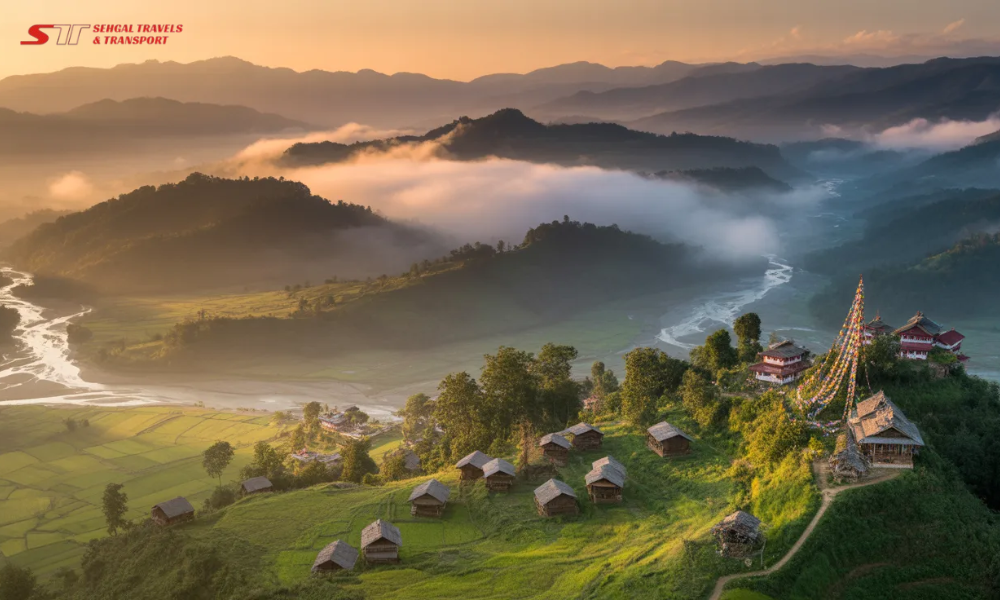
Beyond the Map: Discovering the Seven Sisters of Northeast India
When most travellers think of India, they imagine the bustling streets of Delhi, the marble monuments of Agra, or the beaches of Goa. But there is a hidden world in the northeastern corner of India that remains largely unexplored by mainstream tourism. The Seven Sisters of Northeast India represent some of the most biodiverse, culturally rich, and geographically stunning regions in the country. Yet many people struggle to know where to start their journey through these remarkable states.
This comprehensive guide will help you discover what makes Northeast India so special, why it deserves a spot on your travel bucket list, and how to plan your adventure through these incredible destinations.
Understanding the Seven Sisters of Northeast India
The Seven Sisters refers to the seven northeastern states of India: Assam, Meghalaya, Manipur, Mizoram, Nagaland, Sikkim, and Tripura. These states share a distinct geographical location, a unique cultural heritage, and natural beauty that sets them apart from the rest of India.
This region covers an area of approximately 255,000 square kilometres and is home to over 45 million people. The Seven Sisters are connected by shared borders with Bangladesh, Bhutan, Myanmar, and China, making them gateways to Southeast Asia and East Asia. Despite their significance, many travellers remain unaware of these destinations, often overlooking opportunities such as curated group tour packages that make exploring these regions easier and more accessible, while offering some of India’s most authentic travel experiences
The Geography and Climate of Northeast India
The topography of Northeast India is incredibly varied. From the rolling hills of Meghalaya, known as the wettest place on earth, to the mountainous terrains of Nagaland and the lush valleys of Manipur, each state offers distinct geographical features.
The region receives heavy monsoon rainfall from June to September, which transforms the landscape into emerald green valleys and cascading waterfalls. The best time to visit is between October and April, when the weather is pleasant and ideal for trekking and outdoor exploration.
Assam, the largest of the Seven Sisters, is home to the mighty Brahmaputra River, one of India’s longest rivers. This river valley is incredibly fertile and supports diverse wildlife, including the famous one-horned rhinoceros. The state serves as the gateway to Northeast India and offers a unique blend of wildlife tourism and cultural experiences.
Meghalaya, meaning “the abode of clouds,” is famous for its high rainfall and living root bridges. These bridges, made from the roots of rubber trees, are architectural marvels created by the Khasi people over centuries. The state also experiences some of the highest annual rainfall in the world, with Cherrapunji and Mawsynram being two of the wettest places globally.
Cultural Richness and Indigenous Heritage
The Seven Sisters are home to numerous indigenous communities, each with their own distinct languages, traditions, customs, and festivals. There are over 200 languages spoken across these seven states, reflecting the incredible cultural diversity of the region.
Nagaland is known for the Hornbill Festival, a celebration of Naga tribal culture held annually in December. This festival showcases traditional music, dance, cuisine, and crafts of the various Naga tribes. Similarly, Manipur celebrates Yaosang, a colourful spring festival filled with joy and community gatherings.
The people of Mizoram have a rich tradition of handloom weaving, producing some of India’s finest textiles. Tripura is known for its bamboo handicrafts and traditional arts. Each state has museums and cultural centres dedicated to preserving and promoting indigenous heritage.
These communities have maintained their traditional ways of life for centuries, and visitors can experience authentic tribal culture by staying in local homestays, participating in festivals, and learning traditional crafts directly from artisans.
Biodiversity and Wildlife Experiences
Northeast India is a biodiversity hotspot, home to numerous species found nowhere else on earth. The region is part of the Indo Myanmar biodiversity hotspot, one of 34 biodiversity hotspots globally.
Assam’s Kaziranga National Park is famous for its population of Indian rhinoceros. This UNESCO World Heritage Site is home to over 2,500 one-horned rhinos, making it the largest population in India. The park also protects tigers, elephants, wild water buffalo, and swamp deer.
Arunachal Pradesh, though not one of the Seven Sisters, shares borders with the region and offers equally impressive wildlife experiences. The state is home to the endangered Asiatic elephant and clouded leopard.
Meghalaya’s forests are rich in orchid species, with over 100 varieties found in the state. Birdwatchers flock to Northeast India to spot species like the Bengal florican and various species of eagles and owls.
The region’s biodiversity is under increasing pressure from habitat loss and climate change. By visiting responsibly and supporting conservation efforts, travellers can contribute to protecting these ecosystems for future generations.
Hidden Gems and Must-Visit Destinations
Beyond the popular tourist circuits, the Seven Sisters offer numerous hidden gems worth exploring.
Shillong, the capital of Meghalaya, is a picturesque hill station surrounded by pine forests and rolling hills. The city has a pleasant climate and serves as a base for exploring the natural wonders of the state, including Cherrapunji, Mawsynram, and the sacred Umiam Lake.
Imphal, the capital of Manipur, is known as the jewel of Northeast India. The city is surrounded by hills and features the beautiful Loktak Lake, a unique freshwater lake with floating islands. The lake is home to the endangered Manipur brow antlered deer, also known as the Thamin deer.
Kohima, the capital of Nagaland, offers a fascinating glimpse into tribal culture. The city’s markets are vibrant and colourful, selling traditional handicrafts, textiles, and local produce. The nearby villages showcase traditional architecture and way of life.
Aizawl, the capital of Mizoram, sits on a hilltop surrounded by lush green forests. The city is clean, organised, and welcoming to visitors. The local markets are excellent for purchasing traditional Mizo handicrafts and textiles.
Tripura’s capital, Agartala, features the stunning Ujjayanta Palace, a magnificent structure built in 1901. The palace stands as a testament to the region’s royal history and architectural heritage.
Planning Your Northeast India Adventure
A journey through the Seven Sisters requires careful planning due to the region’s diverse geography and the distances between states. Most visitors spend between 10 to 21 days exploring the region, covering two to three states per trip.
The ideal itinerary depends on your interests. Wildlife enthusiasts should prioritise Assam for Kaziranga National Park. Culture and tribal heritage seekers should focus on Nagaland, Mizoram, and Manipur. Adventure lovers will enjoy the trekking opportunities in Meghalaya and the mountainous terrain throughout the region.
Transportation within Northeast India can be challenging. While road connectivity has improved significantly, many areas are still best accessed by road travel. Flights connect the major cities of Assam, Manipur, and Mizoram to Delhi and other Indian cities.
Accommodation ranges from luxury resorts to budget hostels and authentic homestays. Many villages in the region offer homestay experiences where you can live with local families and participate in daily activities, learning about their culture firsthand.
Frequently Asked Questions
Q: What is the best time to visit Northeast India?
A: The best months to visit are October through April, when weather conditions are favourable, and rainfall is minimal.
Q: Do I need special permits to visit Northeast India?
A: Most areas in the Seven Sisters do not require special permits for Indian citizens or foreign nationals.
Q: What languages are spoken in Northeast India?
A: The Seven Sisters have their own regional languages. Assamese is spoken in Assam, Khasi and Garo in Meghalaya, Manipuri in Manipur, Mizo in Mizoram, Naga languages in Nagaland, Nepali and Sikkimese in Sikkim, and Bengali in Tripura.
Q: How much does a typical Northeast India trip cost?
A: Budget travellers can manage on 1,500 to 2,500 Indian rupees per day, whilst mid-range travellers should plan 3,000 to 6,000 Indian rupees daily.
Making the Most of Your Journey
To truly experience the Seven Sisters, travel slowly and engage with local communities. Eat local food, visit family-run restaurants, and support small businesses. Learn a few words of the local language, respect cultural norms, and ask permission before photographing people or sacred spaces.
The journey through Northeast India is transformative. You will encounter breathtaking natural landscapes, meet warm and welcoming people, and gain insights into India’s diverse cultural tapestry. These experiences enrich your understanding of India beyond what mainstream tourism offers.
Whether you seek adventure, cultural immersion, wildlife encounters, or simply peace and tranquillity, the Seven Sisters of Northeast India have something special to offer. Start planning your journey today and discover why this remarkable region deserves to be part of every traveller’s India experience. For those considering guided tours, partnering with a reliable tour and travel company in Delhi like Sehgal Travels can help you plan a seamless and personalised itinerary suited to your interests and timeframe.
The Seven Sisters are waiting to share their stories with you.

Recent Posts

12 Seater vs 16 Seater Tempo Traveller Which One Should You Hire?

What Is the Best Vehicle to Hire in Delhi for a Vrindavan Family Trip?