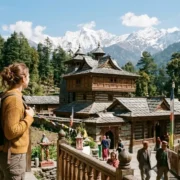
Top 5 Winter Treks in India for Snow & Adventure Lovers: A Complete Guide
So, you’re thinking about strapping on some hiking boots and heading into India’s snowy mountains this winter? Smart move! The Indian Himalayas transform into something truly magical when snow falls, and if you’re considering joining this adventure trend, you’ve picked probably one of the most rewarding travel decisions you could make. Let’s break down what makes winter trekking in India so special, why more people are doing it, and which treks you absolutely need to know about.
The Big Winter Trekking Trend Sweeping India
Here’s what’s happening: Winter trekking in India has shifted from being something only hardcore adventurers did to becoming mainstream. You’re seeing corporate professionals taking time off, families bundling up their kids, and Instagram enthusiasts hunting for that perfect snow-covered peak photograph. The trend is real, and honestly, it makes sense.
When December rolls around, the Himalayas turn into a wonderland that looks almost unreal. Snow blankets meadows, lakes freeze solid, and mountain views become crystal clear because the air is crisp and pollution is lower. You get fewer crowds than summer trekking—which means more peace, more solitude, and honestly, more authentic interactions with local mountain communities.
The accessibility factor has changed too. Sehgal Travels have made it easier for regular people to attempt these treks safely, with proper gear, guides, and support systems. From seamless travel planning to comfortable transport options such as Volvo Bus Rent in Delhi for group departures, it’s no longer just for the ultra-fit or experienced mountaineers. This democratization of winter trekking is a big reason why you’re seeing so much interest lately.
The Five Treks Everyone’s Talking About
1. Tungnath Trek: The “Queen” of Beginner Winter Treks
If you’re someone who’s never done winter trekking before, Tungnath in Uttarakhand is basically calling your name. This trek sits at the sweet spot between “genuinely challenging” and “actually doable.”
Starting from Okhlimath village near Chopta in the Garhwal Himalayas, you’ll walk through dense deodar and rhododendron forests that look like they’ve been decorated for Christmas snow hanging off every branch. The trek takes 3-4 days and reaches around 11,600 feet. What makes this special is that you don’t need to be a superhuman athlete. The trail has gentle to moderate slopes most of the way, which means you can enjoy the walk instead of just suffering through it.
The real payoff? Reaching Tungnath, the world’s highest Shiva temple, standing in the snow, and experiencing the pristine alpine beauty covered in white. Then pushing onward where every tree is frosted and forest paths disappear under snow. Many trekkers describe this moment as the kind that changes how you see mountains forever. The sunrise views of the Himalayan peaks from the temple are famous for a reason: golden light hitting snowy summits while you’re standing there, slightly out of breath, completely blown away. That’s the experience.
2. Dayara Bugyal: For the Love of Vast Snowy Meadows
You know what’s wild? Dayara Bugyal is one of India’s largest high-altitude meadows, and in winter, it becomes this endless white expanse that feels almost otherworldly. Starting from Natin village near Uttarkashi, this trek is relatively short but absolutely stunning.
What you’re getting here is something different from dense forest trekking. Instead, you’re walking across open snowfields with unobstructed views of peaks like Bandarpoonch and Gangotri. Many people describe the experience as surreal like walking into a painting. The trek doesn’t require extreme technical skills, which is why families often choose it. You can even play in the snow if you’re feeling that way, which, let’s be honest, is pretty fun even as an adult.
One thing worth knowing: the meadow changes completely between seasons. In summer it’s lush green, but winter transforms it into something completely different. If you’ve done this trek before, the winter version feels like a brand-new adventure.
3. Brahmatal Trek: Frozen Lakes and Forest Magic
Here’s a trek that feels a bit more remote than the others. Brahmatal Lake, according to local legends, is where Lord Brahma meditated. Whether you believe that or not, the place definitely has a spiritual quality to it—the kind where you naturally speak in hushed tones.
This trek is of moderate difficulty, which means it’s not for complete beginners, but experienced hikers from summer trekking would find it manageable. You’ll walk through forests, see dramatic ridge walks, and then reach this frozen alpine lake surrounded by snow-covered peaks. The views of Mount Trishul and Nanda Ghunti are simply extraordinary. People often talk about how fewer crowds come here compared to peak-season summer treks, which means you get a more authentic mountain experience.
The trek takes about 5-6 days and reaches around 11,900 feet. The challenge is real, but the reward is equally real.
4. Chopta Chandrashila Trek: Where Spirituality Meets Snow
If you want something with an extra dimension, this trek takes you to Tungnath, the world’s highest Shiva temple, and then up to Chandrashila Peak. It’s basically combining adventure with spiritual energy which is exactly what many Indian mountain treks do naturally.
Chopta is lovingly called the “Mini Switzerland of India,” and you’ll understand why once you’re there. The trek isn’t just about reaching the peak; it’s about walking through ancient oak forests, passing temples that have stood for centuries, and experiencing something larger than yourself. With access routes connected to Auli and Joshimath during winter, the trail remains moderately challenging yet deeply rewarding. The summit view of Chaukhamba, Trishul, and Nanda Devi is genuinely breathtaking.
For many people, this trek becomes a life moment, the kind where you climb to an ancient temple in the snow and feel connected to something beyond the Instagram photo.
5. Kuari Pass: The “Curzon Trail” Experience
Named after Lord Curzon who walked it, this trek feels a bit more classic-old-school than the others. You’re essentially walking a historic route through the Himalayas, which adds a layer of meaning to every step.
The trek reaches 12,516 feet and takes about 6 days. You’ll pass through oak-rhododendron forests, walk across snow-covered ridges, and experience what feels like a complete mountain education. The views of Nanda Devi, Dronagiri, and other giants are constant and constantly impressive.
It’s moderate difficulty, which means expect some challenging days but nothing technically extreme. Many people describe it as the trek that made them actually understand how vast and beautiful the Himalayas really are. There’s something about Kuari Pass that sticks with you—the quiet early mornings, the forest sounds, the community feeling of other trekkers.
Understanding the Limits of What We Know
Here’s where I want to be honest: while winter trekking in India is booming, we don’t have complete data on exactly how many people are doing it or precise breakdowns of all incidents and safety stats. The mountain tourism industry isn’t always tracked with academic precision. What we do know is that weather patterns in the Himalayas are changing, which means snow timing and quantities are becoming less predictable than they used to be. A trek that historically had guaranteed snow in late January might now require more flexibility.
Also, your personal experience will depend heavily on when exactly you go, your fitness level, and honestly, how well you handle cold. Some people find that winter trekking energizes them; others discover they prefer warmer-season hiking. It’s worth knowing yourself before committing.
The Future of Winter Trekking Trends
Where is this trend heading? Based on what you’re seeing now, a few things seem likely. First, more infrastructure will develop around winter trekking routes, better guesthouses, more reliable weather forecasting, improved gear shops in base villages. The trend will likely continue growing as climate-driven travel accelerates (people wanting to see these landscapes before they change significantly).
However, there’s also a conservation question looming. Popular treks are seeing more foot traffic, which means greater environmental impact. This is why travel companies like Sehgal Travels, which emphasize responsible tourism and meaningful benefits for local communities, will likely become more important. By promoting eco-friendly practices and thoughtfully designed experiences such as another winter tour package that focuses on sustainability travelers can explore India’s snowy trails while helping preserve them for future generations.
We’ll likely see more specialized offerings: family winter treks, corporate team-building treks, photography-focused winter expeditions. The cookie-cutter approach is giving way to more customized experiences.
Final Thoughts
You’re looking at a genuinely transformative trend here. Winter trekking in India isn’t a passing fad, it’s tapping into something real: people’s hunger for authentic mountain experiences, connection with nature, and the specific magic that happens when Himalayas are covered in snow.
The question isn’t really whether you should try winter trekking. It’s which of these five treks calls to you most. Each one has its own personality. The accessibility continues to improve, safety standards are becoming more professional, and the community of winter trekkers is supportive and helpful.
If you’re seriously considering this adventure, start planning now. Book with experienced guides, invest in proper gear, and give yourself time to build fitness gradually. The mountains will be waiting, dusted in snow, ready to show you something you won’t forget.
Quick FAQs About Winter Trekking in India
Q1: What’s the best time for winter trekking in India?
A: The ideal window is December to early March. December and January offer the most snow, but paths are clearest in February-March when some melting happens. Choose based on whether you want maximum snow or better trekking conditions.
Q2: Do I need special equipment or just regular hiking gear?
A: You’ll need specific winter gear: insulated jackets, thermal layers, snow gaiters, microspikes for traction, and quality winter sleeping bags. Don’t try to save money here—proper equipment makes the difference between enjoyment and suffering.
Q3: Can complete beginners actually do these treks?
A: Yes, but choose wisely. Kedarkantha and Dayara Bugyal are genuinely beginner-friendly. Brahmatal and Kuari Pass require more base fitness. The key is honest self-assessment and proper preparation—train for 8-12 weeks before attempting.
Q4: What’s the typical cost range for a guided winter trek?
A: Most 5-6 day guided treks in Uttarakhand range from ₹20,000 to ₹40,000 per person depending on comfort level, guide quality, and company. Chadar Trek and specialized high-altitude treks cost significantly more.

Recent Posts
A Complete Journey to Wellness and Yoga Experiences Across India
Churdhar Trek Adventure Guide: Tips, Trails & Travel with Trusted Travel Guides